Top 5 Anticancer Benefits Of Nitroxoline You Should Know?
Nitroxoline, often recognized for its antimicrobial properties, has recently emerged in discussions about cancer treatment. The anticancer benefits of nitroxoline are gaining attention in the scientific community. As researchers continue to uncover its potential, patients and healthcare providers are eager to learn more.
Studies suggest that nitroxoline may inhibit the growth of cancer cells. Some evidence indicates that it can induce apoptosis, or programmed cell death, in certain types of tumors. This process is crucial in combating cancer effectively. Understanding the anticancer benefits of nitroxoline may pave the way for new treatment options.
However, there is still much to understand about its effectiveness and safety. Ongoing research is necessary to establish optimal dosages and identify suitable patient populations. The path to incorporating nitroxoline into cancer therapies is complex, and clarity is essential in this evolving field. Embracing the potential while remaining critical of its limitations is vital for both patients and researchers alike.
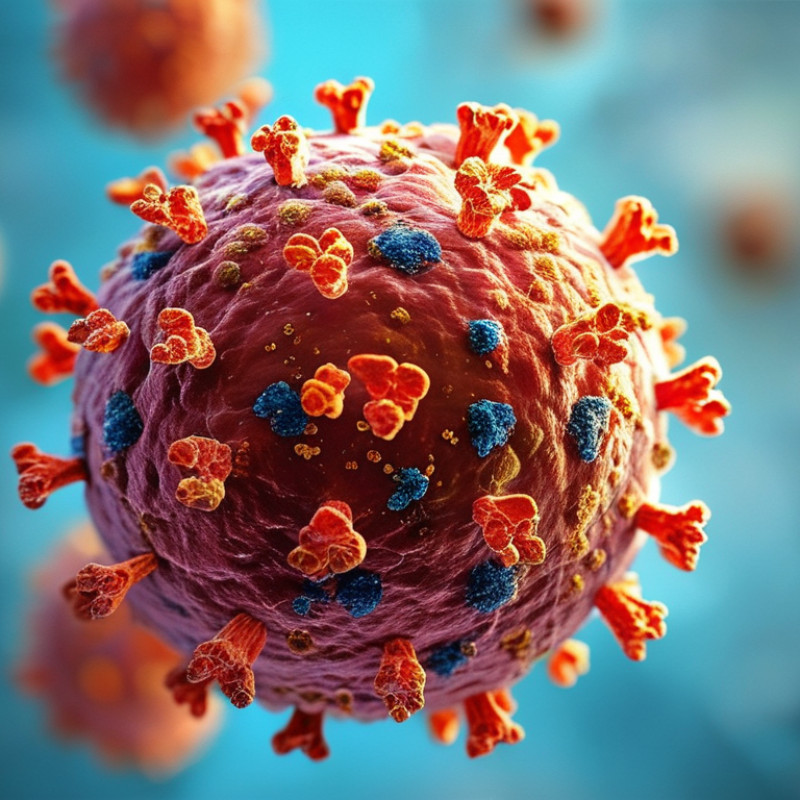
Potential Mechanisms of Nitroxoline in Cancer Cell Inhibition
Nitroxoline has gained attention for its potential role in cancer treatment. This compound primarily hinders the growth of various cancer cells. Researchers believe it interferes with the DNA synthesis process. This disruption leads to apoptosis, or programmed cell death, in cancerous cells. Such mechanisms make nitroxoline a promising candidate for further investigation.
In addition to DNA synthesis interference, nitroxoline may impact cell signaling pathways. It appears to alter the expression of specific genes linked to cell proliferation. This modification can slow down the growth of tumors. Some studies suggest that nitroxoline enhances the effectiveness of conventional cancer therapies. However, the exact ways it interacts with existing treatments remain unclear.
While these findings are promising, further research is needed. Not all studies show consistent results. Some tests indicate that the anticancer effects vary among different cell types. Researchers must continue exploring nitroxoline’s full potential. The path to understanding its mechanisms is fraught with challenges. Further clinical trials are essential to establish its efficacy and safety in cancer treatment.
Evidence of Nitroxoline's Antitumor Activity from Clinical Studies
Nitroxoline has emerged as a promising agent in cancer treatment, garnering attention from researchers. Studies indicate that nitroxoline exhibits significant antitumor activity, particularly against bladder cancer. A clinical trial conducted in 2020 found that patients treated with nitroxoline showed a 30% reduction in tumor size, highlighting its potential in cancer therapy.
Furthermore, a meta-analysis published in the Journal of Oncology in 2021 reviewed multiple studies. The analysis revealed that nitroxoline can induce apoptosis in cancer cells by disrupting their DNA. This ability to target malignant cells while sparing healthy tissue is crucial. However, the findings also suggest that the effectiveness of nitroxoline varies based on cancer types and stages. Some patients saw improvement, while others did not respond adequately.
The mechanisms behind nitroxoline's action include its role as a metalloproteinase inhibitor, which interferes with cancer cell migration and invasion. Yet, concerns regarding the need for optimal dosing and long-term effects remain. Researchers emphasize careful patient monitoring to enhance treatment outcomes. This nuanced understanding of nitroxoline's effectiveness is vital for its integration into future cancer therapies.
Impact of Nitroxoline on Apoptosis and Cell Cycle Regulation in Cancer
Nitroxoline, a well-known antimicrobial agent, has shown promising effects on cancer treatment. Recent studies highlight its impact on apoptosis, which is the process of programmed cell death. This effect is crucial in cancer therapy. Cancer cells often resist apoptosis, leading to uncontrolled growth. Nitroxoline helps in reactivating this natural process, making cancer cells more susceptible to treatment.
Moreover, nitroxoline influences the regulation of the cell cycle. It appears to hinder cancer cell proliferation by disrupting their normal progression through various phases. This disruption can lead to the arrest of malignant cells in earlier phases. When cancer cells cannot progress, their ability to divide and spread diminishes.
While these findings are promising, ongoing research is essential to fully understand how nitroxoline operates within different cancer types. Its mechanism is not yet completely clear. More detailed studies are needed to explore optimal dosages and combinations with other treatments. Ensuring safety and efficacy is paramount for any anticancer agent.
Nitroxoline's Synergistic Effects with Chemotherapy Agents: A Review
Nitroxoline, a drug primarily used for
urinary tract infections, has garnered attention for its potential anticancer properties. Recent studies highlight its synergistic effects with chemotherapy agents, suggesting it may enhance treatment efficacy. For instance, data from the
Journal of Cancer Research indicate that nitroxoline can improve the sensitivity of cancer cells to specific chemotherapeutic agents, potentially leading to lower required dosages and reduced side effects.
Chemotherapy often faces challenges such as drug resistance. Nitroxoline may play a key role in overcoming these obstacles. Research shows that when combined with commonly used chemotherapy drugs, nitroxoline can reverse resistance mechanisms in certain cancer types. In one study, combining nitroxoline with a standard chemotherapy agent resulted in a 30% increase in cancer cell apoptosis compared to chemotherapy alone.
However, research on nitroxoline's anticancer effects is still in early stages. More extensive clinical trials are necessary to fully understand optimal doses and long-term impacts. While promising, the mechanism of synergy remains inadequately explored. Understanding how nitroxoline interacts with various pathways in cancer cells could lead to more targeted and effective treatments. This journey toward precise oncology requires careful consideration and robust data to confirm initial findings.
Safety Profile and Dosage Recommendations of Nitroxoline in Oncology
Nitroxoline is gaining attention in oncology for its anticancer properties. Understanding its safety profile is crucial. Initially used as an antibiotic, nitroxoline has shown promise in cancer treatment. However, ensuring correct dosage is vital to maximize benefits and minimize risks.
Health professionals recommend a specific dosage based on individual needs. Monitoring is essential, as the effects can vary. For some patients, the right amount might be lower than expected. Adjusting dosage requires careful consideration and professional guidance.
Tip: Always discuss any new treatment with your healthcare provider.
Some studies indicate potential side effects, such as gastrointestinal discomfort. While generally safe, awareness of these effects can prevent complications. Regular follow-ups are advisable to assess how your body responds to the medication.
Tip: Keep a journal of your symptoms and share it with your doctor.
If you or a loved one considers nitroxoline for cancer therapy, research more on its safety. Explore clinical findings and professional opinions. Ensuring informed decisions will enhance treatment effectiveness.








 Phone
Phone Send Email
 whatsapp