Nitroxoline For Bacterial Infections is gaining renewed attention as antimicrobial resistance reshapes treatment decisions in 2026. Historically used for urinary tract infections in selected countries, nitroxoline has shown activity against several Gram-negative and Gram-positive bacteria. Its real value, however, depends on laboratory susceptibility, infection location, patient factors, and local regulatory status.
The resistance problem is measurable. The World Health Organization reported that bacterial antimicrobial resistance directly caused approximately 1.27 million deaths in 2019. WHO’s Global Antimicrobial Resistance and Use Surveillance System also continues to show major differences between regions, hospitals, and community settings. These findings make culture-guided therapy essential, especially when familiar antibiotics fail. A laboratory report matters more than a promising product description.
IQVIA’s Global Use of Medicines outlook highlights continuing pressure on healthcare systems to improve antibiotic stewardship and control unnecessary medicine use. That context may explain renewed interest in older agents such as nitroxoline, but interest is not proof of superiority. Evidence remains uneven across countries, pathogens, and clinical conditions. Some studies focus on urinary isolates, while fewer provide strong comparative data for complicated infections or systemic disease. This article examines how nitroxoline should be evaluated, including effectiveness, safety, resistance patterns, quality standards, and practical limitations. It also asks an uncomfortable question: are we choosing the best treatment, or merely revisiting an overlooked option? Readers should consult qualified clinicians and current local guidelines before considering any antibacterial medicine.

Nitroxoline is mainly used for bacterial urinary tract infections, not every bacterial illness. It concentrates in urine and may act against common urinary pathogens, including some Escherichia coli strains. Its clinical role depends on infection site, kidney function, local resistance, and culture results. It is not a suitable choice for suspected kidney infection or bloodstream infection without medical assessment.
The World Health Organization’s GLASS 2022 report found that about one in six laboratory-confirmed bacterial infections causing common infections showed antibiotic resistance in 2020. That warning makes targeted treatment essential. The European Association of Urology guidelines also stress urine culture when symptoms are recurrent, severe, or atypical. Nitroxoline may be considered in selected lower urinary infections where local guidance supports it. Check susceptibility first.
Some older studies support urinary activity, but modern comparative trials remain limited. That gap matters. A medicine can appear effective in routine practice yet perform differently across regions. Patients should not self-treat based on symptom relief alone. Burning may improve while infection persists. Clinicians should review pregnancy status, allergies, renal function, and previous cultures before prescribing. Reported side effects can include nausea, abdominal discomfort, headache, or urine discoloration. The best option is not automatically the newest one; it is the narrowest effective treatment supported by testing and local antimicrobial guidance.
Nitroxoline is not a universal answer for bacterial infections. Its main clinical role has been urinary tract treatment, where the medicine reaches high concentrations in urine. It works against susceptible bacteria, but laboratory sensitivity and local resistance patterns still matter.
The molecule contains an 8-hydroxyquinoline structure. This structure can bind metal ions, including iron, that bacteria need for energy production and enzyme activity. When these resources become less available, bacterial growth may slow. Nitroxoline may also interfere with biofilms, the sticky layers that help bacteria attach to urinary surfaces and resist treatment.
Biofilms are difficult.
In practical terms, this action may weaken bacterial communities rather than destroy every cell immediately. Research also suggests effects on bacterial enzymes and surface attachment, but the evidence is not equally strong for every species. That uncertainty deserves attention. A medicine that works well against one urinary isolate may perform poorly against another.
Clinicians usually consider symptoms, urine testing, kidney function, allergies, pregnancy status, and regional resistance data before selecting treatment. Nitroxoline should not be assumed to treat kidney infections, bloodstream infections, or unexplained fever without medical assessment. Correct dosing and duration matter because incomplete treatment can leave surviving bacteria behind. My view is cautious: its metal-binding and anti-biofilm activity are scientifically interesting, but susceptibility testing remains more reliable than broad claims about being the “best” option.
Nitroxoline is mainly studied for bacterial infections in the lower urinary tract. It may act against common urinary pathogens, including Escherichia coli, Klebsiella species, Proteus species, and some Enterococcus strains. These organisms can cause cystitis, with symptoms such as burning urination, urgency, and frequent small voids.
The medicine is not a universal antibacterial treatment. Its activity is concentrated in urine, so it should not be assumed to treat pneumonia, skin infections, bloodstream infections, or kidney infections. A high fever, back pain, vomiting, or chills needs prompt medical assessment. Those signs may suggest an infection beyond the bladder.
Laboratory susceptibility testing can help identify whether a patient’s isolate may respond. Resistance patterns differ between regions and healthcare settings. The evidence is useful, but not flawless. Some studies are older, and modern clinical data remain limited in several countries. Treatment decisions should consider culture results, kidney function, pregnancy status, allergies, and local guidance. Even a familiar urinary symptom can have a non-bacterial cause. That detail is easy to miss.
Choosing nitroxoline requires more than matching symptoms to a tablet. It is used for some bacterial urinary tract infections, especially uncomplicated lower infections, but availability and recommendations differ by country. In 2026, local treatment guidelines and recent resistance data should guide decisions. A burning sensation alone does not prove a bacterial infection.
A urine culture becomes especially valuable when symptoms return, treatment fails, or fever and flank pain appear. It can identify the organism and show whether nitroxoline is active against it. Resistance is not theoretical. Repeated exposure, incomplete courses, and treating non-bacterial symptoms can narrow future options. I would not call any antibiotic “best” without culture results and clinical context.
Safety also depends on the person. A clinician should review kidney and liver function, pregnancy, allergies, age, and other medicines. Nausea or abdominal discomfort may occur. Severe rash, breathing difficulty, or worsening pain needs prompt medical attention. Nitroxoline may be unsuitable for some patients, and dosing should follow an authorized prescription or local medical guidance. Even experienced clinicians can misjudge a recurrent infection when symptoms resemble irritation or dehydration. A fresh urine sample, taken before antibiotics when possible, can prevent that mistake.
Nitroxoline is not automatically the best treatment for every bacterial infection. It is mainly considered for selected urinary tract infections, depending on local guidance and laboratory findings. The European Association of Urology recommends urine culture when symptoms are recurrent, unusual, severe, or linked with pregnancy. Culture results can reveal whether the organism is susceptible. Symptoms alone cannot do that.
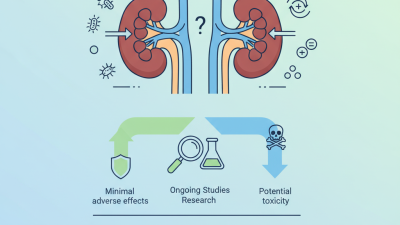
Medical supervision matters. A clinician should review kidney function, liver status, allergies, pregnancy, breastfeeding, and current medicines. Prescribing information in different countries may list severe renal or hepatic impairment as a contraindication. Yellow urine can occur, but fever, flank pain, vomiting, or confusion needs urgent assessment. Do not self-extend treatment because discomfort remains.
Tips: Take nitroxoline only as prescribed, with the recommended fluid intake. Ask whether a culture is needed before treatment. The World Health Organization’s GLASS 2022 report collected resistance data from 87 countries, while ECDC estimates antimicrobial resistance causes more than 35,000 deaths yearly in the European Union and European Economic Area. These figures support careful prescribing, not automatic use. A weak point in many online comparisons is the lack of modern, local nitroxoline data. That limitation deserves honesty. A clinician should balance laboratory results, symptoms, organ function, and regional resistance patterns.