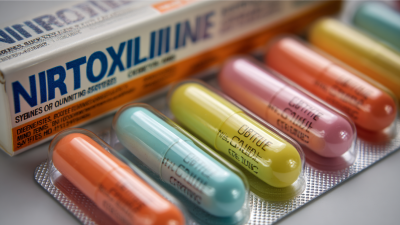
Choosing a supplier for Urinary Tract Infection Drug Nitroxoline requires more than comparing prices or browsing polished product pages. Availability, approved uses, and prescription requirements differ between countries. Nitroxoline is not a suitable treatment choice for everyone, and decisions about its use belong with qualified healthcare professionals.
This guide introduces seven suppliers for readers conducting a careful market review. It focuses on practical checks: documented product identity, manufacturing standards, batch-specific certificates of analysis, storage conditions, and clear contact details. Ask whether a supplier can provide current quality documents and explain its distribution chain. Verify claims through relevant health authorities or professional channels where possible. A confident sales representative is not independent proof.
Details matter. A legible label, intact packaging, and consistent batch information can help identify questions before purchase. So can a written answer about shipping and temperature controls. Still, no checklist catches everything. Supplier information may change, and an online listing alone cannot establish product quality or authorization. This overview is a starting point, not an endorsement or medical recommendation. Readers should confirm local rules, consult a licensed clinician or pharmacist, and avoid using antibiotics without appropriate professional guidance. The aim is simple: make supplier comparisons more transparent, cautious, and grounded in verifiable information.

Nitroxoline is an antibacterial medicine in the 8-hydroxyquinoline group. In some countries, clinicians use it for certain urinary tract infections, particularly infections affecting the bladder. Its availability and approved uses vary by location. It is not for every case. A healthcare professional can assess whether it is suitable, based on symptoms and, when needed, urine test results.
The medicine works against susceptible bacteria; it does not treat viral infections. Treatment decisions may also depend on local resistance patterns, allergies, kidney function, pregnancy, and other medicines. Do not take leftover tablets or change a prescribed course without medical advice. Follow the local patient leaflet for dosing and duration. Stomach upset or headache may occur, but experiences vary.
Small details matter. Fever, chills, vomiting, or pain in the back or side can signal a more serious infection and needs prompt assessment. Symptoms may ease before the infection has cleared, so seek professional advice if they persist or worsen.

7 Best Urinary Tract Infection Drug Nitroxoline Suppliers
How to Evaluate Nitroxoline Suppliers and Product Quality
Choosing a nitroxoline supplier requires more than comparing prices. Check that the manufacturing site holds current GMP documentation and that the supplier can provide batch-specific certificates of analysis. Review identity, assay, impurity limits, and stability data against the applicable specification. Ask how each lot is traced from raw material to shipment. Paperwork can look tidy; it is not the product. Where feasible, verify selected batches through an independent qualified laboratory.
Supplier quality matters within a wider antimicrobial-resistance challenge. The WHO’s 2025 Global Antibiotic Resistance Surveillance Report found that about one in six laboratory-confirmed bacterial infections causing common infections worldwide in 2023 was resistant to antibiotic treatment. This figure does not assess nitroxoline or any supplier; it underscores the need for careful, evidence-based sourcing. Check packaging integrity, storage conditions, change-control records, and the process for handling deviations. A missing stability detail may seem minor, but it deserves follow-up.
Tips: Request a recent audit summary, a sample batch certificate, and clear answers about testing methods. Compare documents across batches, not just one polished example. If claims cannot be independently checked, pause and ask for clarification. Supplier qualification should be documented and reviewed over time.
These seven supplier profiles represent different parts of the nitroxoline supply chain, not endorsements of specific companies. A licensed finished-dose manufacturer may offer tablets in several strengths and pack sizes. A qualified active-ingredient producer may supply nitroxoline powder with batch-specific certificates of analysis. Check identity, purity, and testing methods.
A regional pharmaceutical distributor can provide local-language product information and delivery documentation. A hospital-focused wholesaler may handle smaller orders and maintain temperature or humidity records where required. A contract manufacturer may offer tablet production, blister packaging, and batch release services. Details matter. Ask for current quality certifications and traceability records.
A specialty importer may coordinate approved products across markets, but registration and availability differ by country. A packaging-focused supplier can provide sealed blisters, cartons, and labeling that preserve product information. Its role does not replace the medicine manufacturer’s quality controls. Compare each supplier’s authorization, product documentation, and complaint process. Confirm requirements with a qualified pharmacist or relevant health authority. Records can look complete and still leave questions; verify them independently before relying on a supplier.
Nitroxoline supplier selection starts with market-specific authorization, not a low quotation. Registration status, permitted indications, and import documentation can differ across jurisdictions. Buyers should verify the finished product’s marketing authorization and inspect current good manufacturing practice evidence for the manufacturing site. For the active ingredient, request traceable batch records, impurity specifications, and certificates of analysis that match independent laboratory results. Paperwork can look complete. It may not be.
Distribution controls matter after release. Review the supplier’s storage conditions, shipment monitoring, product recall procedure, and documented chain of custody. Ask for excursion records when temperature-controlled transport is required; do not assume every shipment has identical handling needs. WHO’s 2022 Global Antimicrobial Resistance and Use Surveillance System report estimated that bacterial antimicrobial resistance directly caused 1.27 million deaths worldwide in 2019. That finding makes reliable quality and responsible procurement more than administrative details. It does not establish nitroxoline’s effectiveness or suitability for any individual patient. A practical sourcing file should preserve supplier qualification results, batch documents, and delivery records. Gaps happen. Record them, investigate them, and avoid treating a supplier’s assurance as independent proof.
Nitroxoline’s molecular formula is C₉H₆N₂O₃. This chart shows its elemental composition per molecule—a basic identity reference for supplier qualification and incoming-material checks, not a comparison of suppliers or a substitute for regulatory review.
Before choosing a nitroxoline supplier, ask for batch-specific evidence, not a polished brochure. Request a current certificate of analysis showing identity, assay, related substances, and relevant residual-solvent results. Ask which validated methods were used and whether independent testing is available. Ask for evidence. Confirm the manufacturing site’s GMP status, audit history, change-control process, and full batch traceability. A generic certificate may look reassuring, but it cannot confirm the quality of the batch you will receive.
Check stability data for the intended packaging and storage conditions. Ask how temperature excursions, delayed shipments, and product complaints are documented and handled. WHO’s 2025 GLASS report estimated that one in six laboratory-confirmed bacterial infections worldwide in 2023 was resistant to antibiotic treatment. ECDC’s 2023 antimicrobial-resistance surveillance report also recorded third-generation cephalosporin resistance in 14.6% of invasive E. coli isolates in the EU/EEA. These figures do not measure nitroxoline effectiveness; they underline why accurate product information and responsible antimicrobial use matter. Details matter.
Finally, clarify whether the supplier provides an active ingredient or a finished medicine, and request the documentation relevant to that role and your market. Check the applicable pharmacopoeial specification, regulatory status, and supply-chain records rather than assuming one standard applies everywhere. Ask how shortages are communicated and whether alternative batches remain within the same approved specification. I would not treat the lowest quotation as the best value; however, paperwork alone cannot replace a qualified technical review.
| No. | Supplier Qualification Area | Key Questions to Ask | Evidence to Request | What to Check |
|---|---|---|---|---|
| 1 | Regulatory authorization | Is the offered nitroxoline product authorized for the intended market and intended use? | Applicable marketing authorization or registration details; product classification and labeling information. | Authorization requirements differ by country. Confirm the product’s status with the relevant national regulator before purchase or use. |
| 2 | Manufacturing quality system | Where is the product manufactured, and which quality standards apply to that site and product type? | Current manufacturing-site information, applicable GMP evidence, and details of recent inspections where available. | Check that the documentation covers the actual manufacturing site and the relevant activity, such as API manufacture or finished-product manufacture. |
| 3 | Product identity and specifications | Can you provide the approved specification and a batch-specific certificate of analysis? | Certificate of analysis (CoA), test methods, specification limits, and batch number. | Confirm the material is identified as nitroxoline and that the CoA results correspond to the batch being offered. |
| 4 | Traceability and supply chain | Can each batch be traced to its manufacturer and documented supply chain? | Batch and shipment records, manufacturer details, chain-of-custody documentation, and applicable country-of-origin information. | Look for consistent batch identifiers across the CoA, labels, shipping records, and invoices. |
| 5 | Impurities and change control | How are impurities, out-of-specification results, and manufacturing changes assessed and communicated? | Relevant impurity-control information, deviation and change-control procedures, and notification commitments. | Confirm that changes affecting quality or regulatory filings are managed through a documented process. |
| 6 | Storage, packaging, and transport | What storage and transport conditions are specified for the supplied material or product? | Product label, packaging specification, storage instructions, and shipping-condition records where applicable. | Verify that packaging is intact and appropriate, and that handling follows the product-specific instructions. |
| 7 | Audit, complaints, and business continuity | Can the supplier support a quality audit, investigate complaints, and explain its continuity arrangements? | Audit arrangements, complaint and recall procedures, quality contact details, and documented continuity plans. | Assess responsiveness, investigation timelines, and how the supplier communicates quality or supply disruptions. |
Note: This table is a supplier-screening checklist, not a ranking of named suppliers or a confirmation that any product is approved. Nitroxoline’s regulatory status and permitted use vary by jurisdiction; verify current local requirements with the relevant authority and qualified professionals.