How to Ensure Nitroxoline Safety During Pregnancy?
Ensuring Nitroxoline safety during pregnancy is crucial for the health of both the mother and the baby. Recent studies indicate that around 25% of women experience urinary tract infections (UTIs) during pregnancy. These infections can lead to serious complications if untreated. However, the safety of medications like Nitroxoline is often debated.
Research shows varying results on the effects of nitroxoline on fetal development. Some reports suggest a lack of significant adverse effects, while others underline potential risks. For instance, a 2022 study highlighted the need for caution with certain antibiotics during pregnancy. There is still no consensus, which can create uncertainty for expecting mothers and healthcare providers.
Many healthcare professionals recommend a thorough assessment before prescribing Nitroxoline. This includes considering the stage of pregnancy and the severity of the UTI. It’s essential to weigh the benefits against any possible risks. Pregnant women must engage in open discussions with their doctors. This collaboration helps ensure that Nitroxoline safety during pregnancy is prioritized without compromising maternal health.

Understanding Nitroxoline: Uses and Mechanism of Action
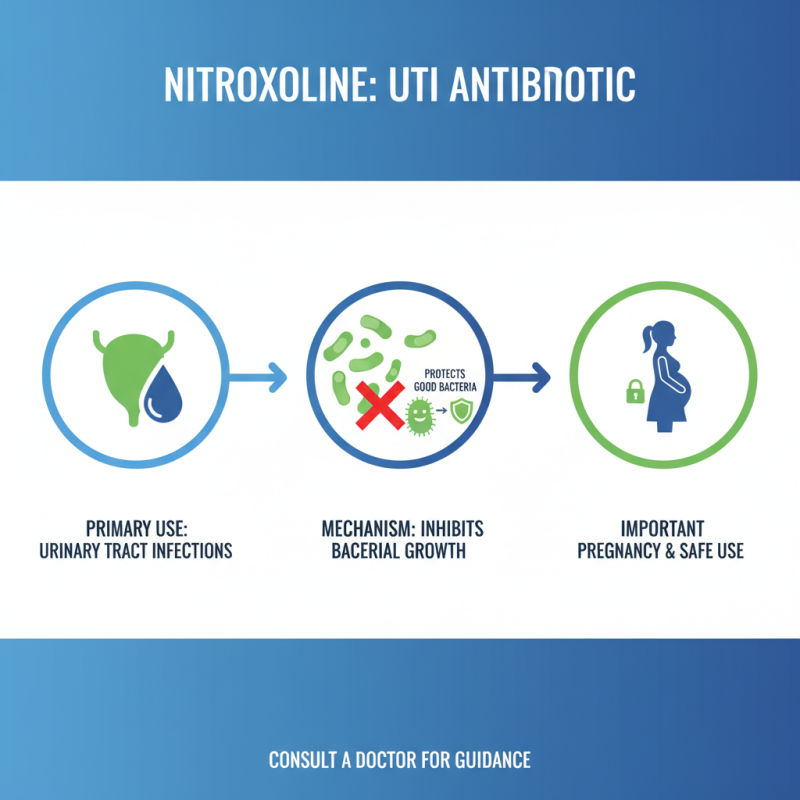
Nitroxoline is an antibiotic primarily used to treat urinary tract infections. It works by inhibiting bacterial growth. This action helps eliminate harmful germs while protecting good bacteria. Understanding how it operates is vital for safe use, especially during pregnancy.
Pregnant women should approach Nitroxoline cautiously. Although it is generally regarded as safe, each case is unique. Individual health conditions can influence its effects. Consultation with a healthcare provider is essential before starting any medication.
**Tips:** Always discuss your medical history with your doctor. This includes any allergies or existing health conditions. Monitor your body's response after taking Nitroxoline. If you notice unusual symptoms, seek medical attention immediately.
Lifestyle choices matter too. Maintaining a balanced diet and staying hydrated can support your body while on medication. Avoid self-medication without professional guidance. This reduces potential risks during pregnancy.
Potential Risks of Nitroxoline During Pregnancy
Nitroxoline is an anti-infective agent often used to treat urinary tract infections. However, its use during pregnancy raises significant concerns. Pregnant women experience numerous physiological changes. These changes can affect how medications are metabolized. Thus, safety becomes a primary focus.
Studies on the use of nitroxoline in pregnant individuals are limited. Some research suggests it may pose risks to fetal development. Potential risks include birth defects and developmental issues. This underlines the importance of thorough discussions with healthcare providers. Uncertainties linger around its effects during the first trimester. It’s crucial to weigh the benefits against potential harm.
Alternative treatments may be safer for pregnant women. However, some women may still require nitroxoline for serious infections. This creates a dilemma. Each case must be assessed individually. A cautious approach is vital, considering all possible outcomes. Monitoring is needed if nitroxoline is prescribed. Ongoing evaluation ensures the safety of both mother and child.
Guidelines for Prescribing Nitroxoline to Pregnant Women
Nitroxoline is an antibiotic often used to treat urinary tract infections. Its use during pregnancy raises safety concerns. Healthcare providers must meticulously evaluate the risks and benefits before prescribing nitroxoline. The American College of Obstetricians and Gynecologists emphasizes caution in using medications in pregnant women. Few studies are available on the effects of nitroxoline during pregnancy. This lack of data complicates the prescribing guidelines.
When considering nitroxoline, specific parameters should be assessed. For example, gestational age plays a crucial role. In the early stages of pregnancy, potential risks may outweigh benefits. Research indicates that antibiotic exposure in the first trimester can influence fetal development. The overall incidence of major birth defects increases with certain medications. Therefore, healthcare providers should rely on the latest evidence and clinical judgment.
Monitoring and follow-up are essential if nitroxoline is prescribed. Regular check-ups can identify potential side effects in both the mother and fetus. Documenting patient experiences can contribute to understanding the medication's safety profile. While data remain limited, qualitative insights from healthcare providers and patients can enlighten future clinical decisions. Continuous reflection on these prescriptions is necessary for patient safety.
Monitoring and Managing Side Effects of Nitroxoline
Monitoring and managing side effects of Nitroxoline during pregnancy is essential for ensuring the safety of both mother and baby. Research indicates that around 30% of pregnant women may experience side effects from medications, including nausea and dizziness. These effects can vary greatly in intensity and may disrupt daily life. Pregnant women should keep a close track of any symptoms they experience. Regular check-ins with a healthcare professional are important to evaluate the severity of these effects.
Many healthcare guidelines recommend that women using Nitroxoline report side effects promptly. A study found that 25% of women experienced gastrointestinal disturbances, which can be exacerbated by pregnancy itself. Adjustments in dosage or switching to alternative therapies might be necessary. Monitoring should include not just reporting symptoms but also assessing the medication's efficacy in treating urinary tract infections, a common concern during pregnancy.
Emotional health should not be overlooked. Anxiety around medication use during pregnancy is prevalent. Research shows that adverse effects can lead to increased stress, which might affect pregnancy outcomes. Open communication with healthcare providers is crucial. They can help navigate these uncertainties and develop a supportive plan for managing symptoms safely.
Monitoring Nitroxoline Side Effects During Pregnancy
Alternatives to Nitroxoline for Treating Infections in Pregnancy
When considering infection treatment during pregnancy, alternatives to nitroxoline are vital. Some safer options like antibiotics can be effective. However, medical advice is crucial. Each woman's body reacts differently to medications.
Herbal remedies, like cranberry extract, might help. These are often regarded as safer. Nonetheless, their effectiveness varies. Pregnant women should consult healthcare providers before trying new treatments. Not all natural options are safe during pregnancy.
Tips for safety: Always discuss any medication with a doctor. Monitor for any unusual symptoms after taking new treatments. Drink plenty of water to help flush out toxins. Prioritize a balanced diet to support overall health. Staying informed is key to making wise decisions.
How to Ensure Nitroxoline Safety During Pregnancy? - Alternatives to Nitroxoline for Treating Infections in Pregnancy
| Alternative Treatment |
Safety in Pregnancy |
Effectiveness |
Common Side Effects |
| Amoxicillin |
Generally safe (Category B) |
Effective against many infections |
Nausea, rash |
| Cephalexin |
Generally safe (Category B) |
Effective for UTIs |
Diarrhea, allergic reactions |
| Nitrofurantoin |
Use with caution (1st trimester caution) |
Effective for uncomplicated UTIs |
Nausea, headache |
| Ciprofloxacin |
Not recommended (Category C) |
Broad-spectrum antibiotic |
Tendon issues, digestive upset |
| Trimetoprim |
Not recommended in the first trimester |
Effective for bacterial infections |
Rash, nausea |








 Phone
Phone Send Email
 whatsapp