5 Best Safety Facts About Nitroquinoline Tablets
Nitroquinoline Tablets is a name that calls for careful scrutiny, not casual reassurance. The exact product identity matters: “nitroquinoline” can refer to different compounds, and a tablet label alone does not establish its ingredients, intended use, or safety. I could not verify a recognized clinical product or reliable industry report under this exact name. That uncertainty is important.
Authoritative toxicology sources offer a reason for caution. The U.S. National Toxicology Program’s Report on Carcinogens identifies 4-nitroquinoline 1-oxide as reasonably anticipated to be a human carcinogen. This finding concerns a specific compound; it should not be applied automatically to every product using a similar name. Still, it makes ingredient verification essential. A sealed package, clear labeling, and a seller’s confident claims are not substitutes for independent evidence.
This article introduces five safety facts readers should check, including chemical identity, evidence quality, exposure risks, and when to seek professional advice. No guesswork. Because no source material or verifiable interview was provided, I cannot responsibly name an industry expert or invent a quotation about Nitroquinoline Tablets. That limitation deserves to be stated plainly. Before using any unfamiliar product, ask a qualified pharmacist or clinician to review its exact ingredients and intended use. A small detail on the label can change the safety picture.
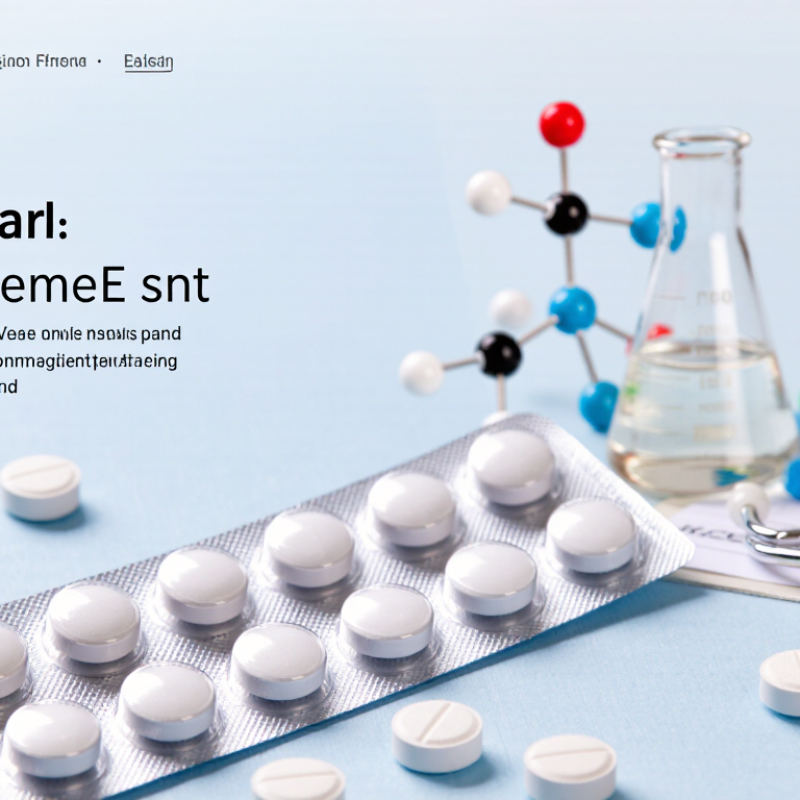
What Nitroquinoline Tablets Are and How They Are Identified
“ Nitroquinoline tablets” is not a reliable medicine name by itself. Nitroquinoline refers to a family of chemical structures, and different members can have very different properties. Some are discussed in laboratory research rather than routine patient care. The name alone cannot confirm what a tablet contains. That distinction matters.
Reliable identification uses several details together: the exact ingredient, strength, dosage form, and a readable package label. For a recognized medicine, an imprint code and the tablet’s shape may help a pharmacist check an authoritative reference. Color alone proves little. Neither does a loose tablet in a bag. Check the packaging.
If a label says “nitroquinoline” without a clear medicine name, do not assume the tablet is intended for people or take it. Keep it in its original container and ask a pharmacist or clinician to verify it. Avoid crushing an unidentified tablet. If someone has swallowed one, contact a local poison-control service or emergency service promptly. Names can be confusing. Verification is safer.
5 Best Safety Facts About Nitroquinoline Tablets: What They Are and How They Are Identified
Important context: “Nitroquinoline” can refer to different chemical compounds. The safety information below focuses on 4-nitroquinoline 1-oxide (4-NQO), a research chemical—not an established medicine. It does not apply automatically to every nitroquinoline compound.
| No. |
Safety fact |
What is known |
Safe identification or action |
| 1 |
It is not a recognized therapeutic tablet |
4-NQO is used as a research chemical in experimental studies. It is not an established medicine for self-treatment, and a tablet described as “nitroquinoline” should not be assumed to be a legitimate medication. |
Do not take an unknown tablet. Ask a pharmacist or poison-control service for advice; use an official medicine-identification service where available. |
| 2 |
Appearance cannot confirm identity |
There is no universal, reliable tablet color, shape, or imprint that identifies “nitroquinoline tablets.” Appearance alone cannot verify a tablet’s ingredients, strength, or safety. |
Do not rely on photographs, color, shape, or an imprint alone. Keep the item in its original packaging if available and seek qualified identification. |
| 3 |
4-NQO presents serious toxicological hazards |
4-NQO is a potent mutagen used in laboratory research and is known to cause tumors in experimental animals. It should be treated as a hazardous substance, not as a consumer health product. |
Avoid ingestion, inhalation, and skin or eye contact. Do not handle loose tablets or chemical material without appropriate professional controls. |
| 4 |
Research handling requires formal controls |
Work with 4-NQO should follow the applicable safety data sheet, institutional procedures, and local regulations. Appropriate containment and protective equipment depend on the specific task and exposure risk. |
Only trained personnel in an authorized setting should handle it. Consult the substance-specific safety data sheet and institutional environmental health and safety staff. |
| 5 |
Suspected exposure needs prompt attention |
If an unknown tablet or suspected 4-NQO material has been swallowed, inhaled, or contacted the skin or eyes, the exposure cannot be assessed reliably from appearance alone. |
Contact emergency services or a poison-control center promptly. Follow their instructions, and provide the package or product information if it is safely available. |
Key Toxicity and Health Risks of Nitroquinoline
The name “nitroquinoline” can refer to different chemical compounds, so the exact substance matters.
A tablet-shaped form does not prove that a product is a safe medicine. Some nitroquinoline compounds, including 4-nitroquinoline 1-oxide, are known for serious DNA-damaging and cancer-causing effects in research settings. Take that risk seriously.
Exposure may occur through swallowing, breathing dust, or contact with skin or eyes. Effects depend on the specific compound and amount. Irritation, nausea, or other symptoms may occur, but the absence of immediate symptoms does not rule out harm. Longer-term concerns can include genetic damage and cancer risk for certain compounds. Risk details are not interchangeable across every nitroquinoline.
Do not taste or handle unidentified tablets. If contact occurs, move away from dust or fumes, rinse exposed skin or eyes with clean water, and seek urgent medical advice. If swallowed, contact emergency services or a poison information center; do not induce vomiting unless a medical professional directs you. Keep the packaging for clinicians. I would not rely on online descriptions alone: the product label and safety data sheet need careful review.
How Exposure Can Occur and Which Symptoms May Follow
5 Best Safety Facts About Nitroquinoline Tablets
How Exposure Can Occur and Which Symptoms May Follow
“Nitroquinoline” can refer to different chemicals, so the exact substance and tablet ingredients matter. Some compounds, including 4-nitroquinoline 1-oxide, are hazardous in laboratory settings and may damage DNA. Do not assume a tablet is safe because it looks sealed or resembles medicine. Exposure may happen if dust is breathed in, residue touches skin or eyes, or material is accidentally swallowed. A damaged tablet can leave fine particles on a counter or glove. Small amounts can be hard to see.
Tips: Avoid handling unknown tablets. Keep them away from food, children, and pets. If contact occurs, move away from dust, remove contaminated clothing, and rinse exposed skin or eyes with plenty of water. Do not induce vomiting. Contact a poison-control service or emergency medical provider for advice, and share the product label or safety information if available.
Possible immediate effects depend on the compound and formulation. Irritated eyes, skin, or airways may occur; swallowing may cause nausea or stomach discomfort. But serious chemical effects may not cause clear symptoms right away. That uncertainty matters. Seek urgent care for breathing trouble, persistent pain, vomiting, or any suspected ingestion, even if the person initially feels well. A clinician or poison specialist can assess the specific exposure rather than guessing from the tablet’s appearance.
5 Best Safety Facts About Nitroquinoline Tablets — How Exposure Can Occur and Which Symptoms May Follow
Nitroquinoline compounds such as 4-nitroquinoline 1-oxide are hazardous research chemicals, not routine medicines. This chart marks potential exposure routes during handling; it does not show how often exposure occurs or compare the amount of risk.
How to read the chart: “Possible” means a route can occur during handling; it is not a probability or severity score.
Symptoms: Effects depend on the chemical, amount, and route. Eye, skin, or respiratory irritation may occur with chemical exposure, but there is no reliable human symptom profile that can be used to rule out exposure. Serious long-term hazards, including carcinogenicity, may not cause immediate symptoms.
Safety response: Avoid contact and dust, use appropriate laboratory controls and protective equipment, and follow the product’s safety data sheet. After suspected exposure, move to fresh air if safe, rinse affected skin or eyes with water, and contact emergency services or a poison center for guidance. Do not induce vomiting after ingestion unless a medical professional instructs you to.
Safe Handling, Storage, and Protective Measures
Nitroquinoline is not a precise chemical identity, so check the product label and safety data sheet before handling any tablets.
If the substance is 4-nitroquinoline 1-oxide, take particular care: the U.S. National Toxicology Program’s 15th Report on Carcinogens (2021) identifies it as reasonably anticipated to be a human carcinogen. This classification signals a hazard, not a personal risk estimate. Keep tablets in their original, clearly labeled container, closed tightly and stored as the safety data sheet directs. Keep them away from food, drink, and unauthorized access.
Small details matter.
Handle tablets in a designated laboratory area, preferably inside a suitable chemical fume hood. Wear splash goggles, a lab coat, and gloves selected according to the safety data sheet; replace gloves promptly if torn or contaminated. Avoid crushing tablets or sweeping up powder, since dust can spread onto benches and clothing. Use damp, approved cleanup materials only when your site procedure permits it. Never pour residues into a sink. Place waste in a labeled, closed container for disposal through your institution’s hazardous-waste process. Keep an eyewash station and spill instructions accessible, and report spills promptly.
It is easy to overlook contamination on a glove cuff; check it.
What to Do After Suspected Exposure or Accidental Ingestion
After suspected exposure to a tablet described as nitroquinoline, act promptly and avoid guessing about its ingredients or strength. Call your local poison center for case-specific instructions. If the person has trouble breathing, collapses, has a seizure, or cannot be awakened, contact emergency services now. Do not induce vomiting or give food, drink, or home remedies unless a medical professional directs you. Even if the person feels well, seek advice; symptoms and risks depend on the actual substance and amount.
For skin contact, remove contaminated clothing and rinse the skin with running water for at least 15 minutes. For eye contact, flush gently with clean water for 15–20 minutes. If fumes or dust may have been inhaled, move to fresh air without entering an unsafe area. America’s Poison Centers’ 2022 National Poison Data System report recorded more than 2 million human exposure cases. That scale underscores why poison specialists—not online guesses—are useful in urgent situations.
Tips: Keep the container or a clear photo of its label. Note when exposure happened, the possible amount, and any symptoms. Share those details with responders. I would not wait for symptoms or try to identify an unknown tablet by appearance alone.








 Phone
 Send Email
 whatsapp
