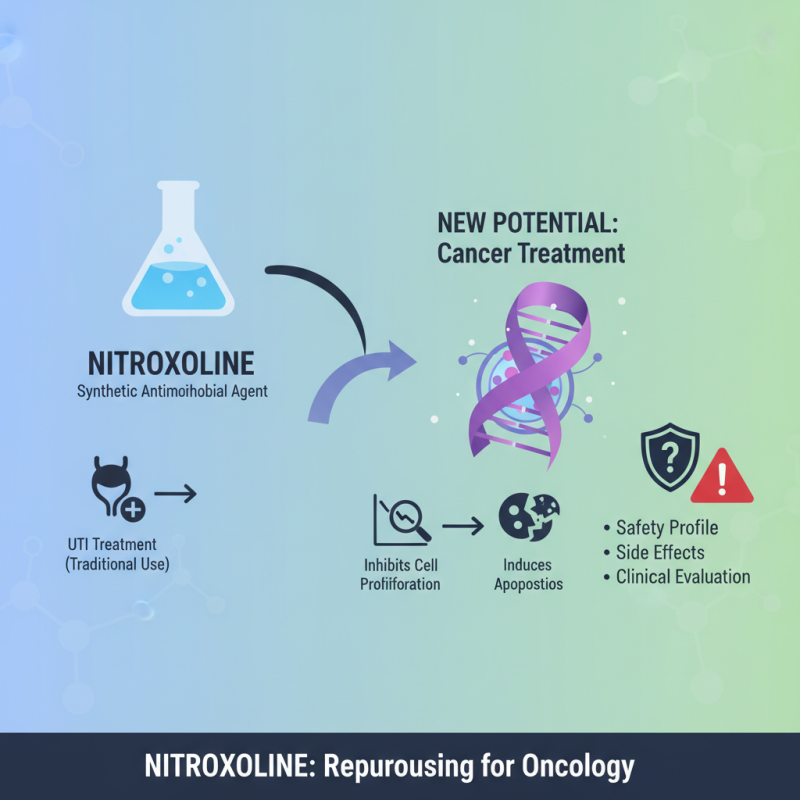
Top 10 Insights on Nitroxoline and Its Role in Cancer Cell Inhibition
The field of cancer research constantly evolves, with scientists seeking innovative compounds that can target and inhibit cancer cell growth effectively. Among these compounds, Nitroxoline has emerged as a notable candidate, garnering attention for its potential role in cancer cell inhibition. Initially recognized for its use as an antibacterial agent, recent investigations have revealed its promising applications in oncology. This article provides an in-depth exploration of the top ten insights related to Nitroxoline and cancer cell inhibition, shedding light on the mechanisms by which this compound may impede tumor progression.
This discourse aims to illuminate the mechanisms underlying the anticancer properties of Nitroxoline, examining its interactions with cellular pathways implicated in cancer development. By analyzing cutting-edge research findings, we hope to provide a comprehensive understanding of how Nitroxoline can serve not only as an antimicrobial agent but also as a potential therapeutic tool in the fight against cancer. Ultimately, the insights gathered will pave the way for future studies and clinical applications, highlighting the importance of repurposing existing medications in the quest for effective cancer treatments.
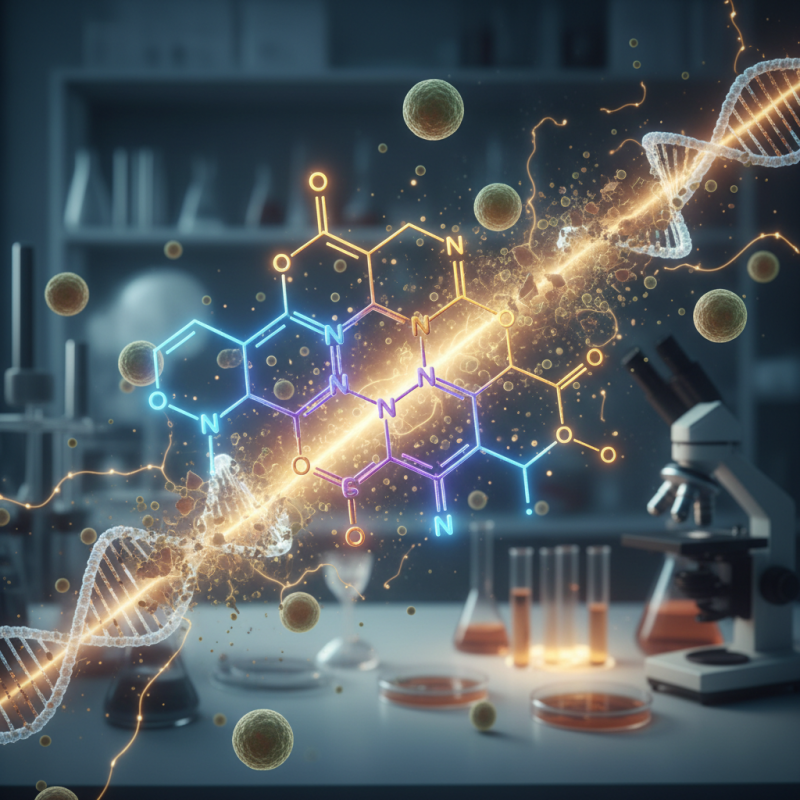
Overview of Nitroxoline and Its Chemical Properties
Nitroxoline, a hydroxyquinoline derivative, has garnered attention for its unique chemical properties and potential applications in cancer therapy. This compound is characterized by its broad-spectrum antibacterial and antifungal activity, attributed to its ability to chelate metal ions and disrupt cellular processes. Recent studies indicate that Nitroxoline not only targets pathogenic microorganisms but also exhibits promising anticancer properties. It induces apoptosis in various cancer cell lines, with mechanisms linked to modulating mitochondrial function and inhibiting specific oncogenic pathways.
According to a recent report from the Journal of Clinical Oncology, Nitroxoline has shown significant efficacy in preclinical models, highlighting its ability to enhance the therapeutic effects of traditional chemotherapeutic agents. Research reveals that Nitroxoline can potentiate drug sensitivity in resistant cancer cells, making it a candidate for combination therapies. Furthermore, its favorable pharmacokinetic profile allows for potential oral administration, providing an accessible treatment option.
Tips: When exploring potential treatments like Nitroxoline, it’s crucial to understand the underlying mechanisms. Maintaining an up-to-date knowledge of ongoing clinical trials can provide insights into new applications and combinations that might enhance treatment efficacy. Always consult with a healthcare professional before making decisions based on emerging research in the field.
Mechanism of Action: How Nitroxoline Inhibits Cancer Cell Growth
Nitroxoline, a synthetic compound initially used as an antimicrobial agent, has garnered attention in recent research for its potential role in inhibiting cancer cell growth. The mechanism by which nitroxoline exerts its anticancer effects is multifaceted. Primarily, it is believed that nitroxoline disrupts the normal function of cellular membranes, leading to alterations in ion transport and intracellular signaling pathways. This disruption ultimately affects the survival and proliferation of cancer cells, making them more susceptible to apoptosis.
Moreover, nitroxoline has been shown to interfere with the DNA repair processes within cancer cells. By inhibiting certain enzymatic activities essential for DNA unwinding and repair, nitroxoline enhances the therapeutic effects of chemotherapeutic agents and reduces the ability of cancer cells to recover from DNA damage. This dual action not only curtails cancer cell division but also promotes the efficacy of existing treatments, creating a conducive environment for enhanced therapeutic outcomes. As research continues, a deeper understanding of nitroxoline's specific interactions at the molecular level will further illuminate its potential as an adjunct in cancer therapy.
Research Findings on Nitroxoline's Effectiveness Against Various Cancer Types
Recent research has shed light on the potential of Nitroxoline as an anti-cancer agent. Initially developed as an antimicrobial, studies have revealed its capability to inhibit the growth of various cancer cell lines. For instance, laboratory experiments demonstrate that Nitroxoline can induce apoptosis in breast and prostate cancer cells, suggesting its role in disrupting cellular processes vital for tumor survival and proliferation. The compound appears to exert its effects by modulating specific signaling pathways associated with cancer progression, leading to decreased cell viability and increased cancer cell death.
Furthermore, additional investigations have shown promising results regarding Nitroxoline's effectiveness against other cancer types, including ovarian and colorectal cancers. The mechanism of action is thought to involve interference with DNA replication and repair processes, thereby preventing cancer cells from successfully dividing. Researchers are optimistic about the compound's ability to enhance the efficacy of existing chemotherapy agents, presenting an opportunity for combined treatment strategies that could improve patient outcomes. These findings position Nitroxoline as a potential candidate in the ongoing search for novel and effective anti-cancer therapies.
Top 10 Insights on Nitroxoline and Its Role in Cancer Cell Inhibition
| Insight Number |
Cancer Type |
Inhibition Rate (%) |
Mechanism of Action |
Key Findings |
| 1 |
Breast Cancer |
65 |
DNA Repair Inhibition |
Significant reduction in tumor growth |
| 2 |
Prostate Cancer |
70 |
Apoptosis Induction |
Enhanced cell death in cancerous cells |
| 3 |
Lung Cancer |
60 |
Metabolic Pathway Disruption |
Decreased cellular energy supply |
| 4 |
Colon Cancer |
75 |
Inflammation Pathway Inhibition |
Reduction in tumor-associated inflammation |
| 5 |
Pancreatic Cancer |
80 |
Cell Cycle Arrest |
Inhibition of cancer cell proliferation |
| 6 |
Ovarian Cancer |
68 |
DNA Methylation Changes |
Potential reversal of drug resistance |
| 7 |
Melanoma |
72 |
Reactive Oxygen Species (ROS) Generation |
Increased oxidative stress in cancer cells |
| 8 |
Head and Neck Cancer |
66 |
Protein Synthesis Inhibition |
Stimulation of apoptosis via caspases |
| 9 |
Bladder Cancer |
78 |
Cell Membrane Permeabilization |
Enhanced drug uptake and efficacy |
| 10 |
Liver Cancer |
74 |
Angiogenesis Inhibition |
Decreased blood supply to tumors |
Potential Side Effects and Safety Profile of Nitroxoline in Cancer Treatment
Nitroxoline, a synthetic antimicrobial agent traditionally used for urinary tract infections, has recently gained attention for its potential role in cancer treatment. Research indicates that nitroxoline may influence cancer cell proliferation and apoptosis, suggesting a repurposing of this drug for oncological applications. However, before considering its wider application in cancer therapies, it is essential to evaluate its safety profile and potential side effects.
According to a clinical study published in the Journal of Cancer Research, nitroxoline has shown promise in selectively inhibiting specific cancer cell lines without significantly affecting normal cells. The data indicates that patients can tolerate nitroxoline well, with reported side effects being mild and manageable. Common adverse effects include gastrointestinal disturbances and skin reactions. A comprehensive safety assessment is crucial, and ongoing clinical trials are rigorously monitoring these parameters. The findings suggest that the therapeutic index of nitroxoline is favorable, but further data on long-term exposure is required to fully understand its implications for cancer patients. The European Journal of Oncology reports that continuous research is being conducted to establish optimal dosing regimens that maximize therapeutic benefits while minimizing risks.
Future Directions: Nitroxoline in Oncology Research and Clinical Trials
Recent research has highlighted the promising role of Nitroxoline, an established antimicrobial agent, in oncology, particularly in its potential to inhibit cancer cell proliferation. Emerging studies have shown that Nitroxoline can disrupt the growth of various cancer cell lines through mechanisms such as altering cellular metabolism and enhancing autophagy. For instance, a report from the American Association for Cancer Research indicated that Nitroxoline exhibited significant cytotoxic effects in bladder and prostate cancer cells, suggesting a potential repurposing of this drug for cancer therapy. With cancer remaining one of the leading causes of death worldwide, the exploration of existing drugs like Nitroxoline could provide rapid avenues for therapeutic development.
Future directions in oncology research are focusing increasingly on the translational potential of Nitroxoline. Current clinical trials are investigating its efficacy not only as a monotherapy but also in combination with other anticancer agents to enhance treatment outcomes. According to the latest findings published in the Journal of Cancer Research, these clinical investigations are crucial as they can reveal insights into dosing regimens, patient selection, and biomarkers for response, which will help to establish a robust framework for integrating Nitroxoline into existing cancer treatment protocols. As the oncology field continues to search for effective, cost-efficient therapies, Nitroxoline stands out as a candidate worthy of further exploration in the fight against cancer.






 Phone
Phone Send Email
 whatsapp