Nitroxoline, a well-known antimicrobial agent, has begun to gain significant attention for its potential anticancer properties. Research in recent years has unveiled its multifaceted biological activities, prompting scientists to explore its application in oncology. The notion that an established drug could be repurposed to combat cancer has ignited interest within the medical research community, as finding effective and safe treatments for various cancers remains a pressing challenge. The burgeoning interest in Nitroxoline is particularly underscored by the need for novel therapeutic approaches that offer less toxicity and improved efficacy compared to traditional chemotherapeutics.

This article delves into the mechanisms by which Nitroxoline exerts its anticancer effects, providing insights into its action on cancerous cells and the pathways it influences. By examining current studies and emerging data, we aim to illuminate the potential of Nitroxoline not just as an antibiotic but as a promising candidate in cancer therapy. Understanding the Nitroxoline anticancer properties could pave the way for innovative treatment options that enhance patient outcomes while minimizing adverse effects. As we explore how Nitroxoline may be harnessed in the fight against cancer, we shed light on an exciting frontier in pharmacology that bridges existing therapies with groundbreaking cancer research.
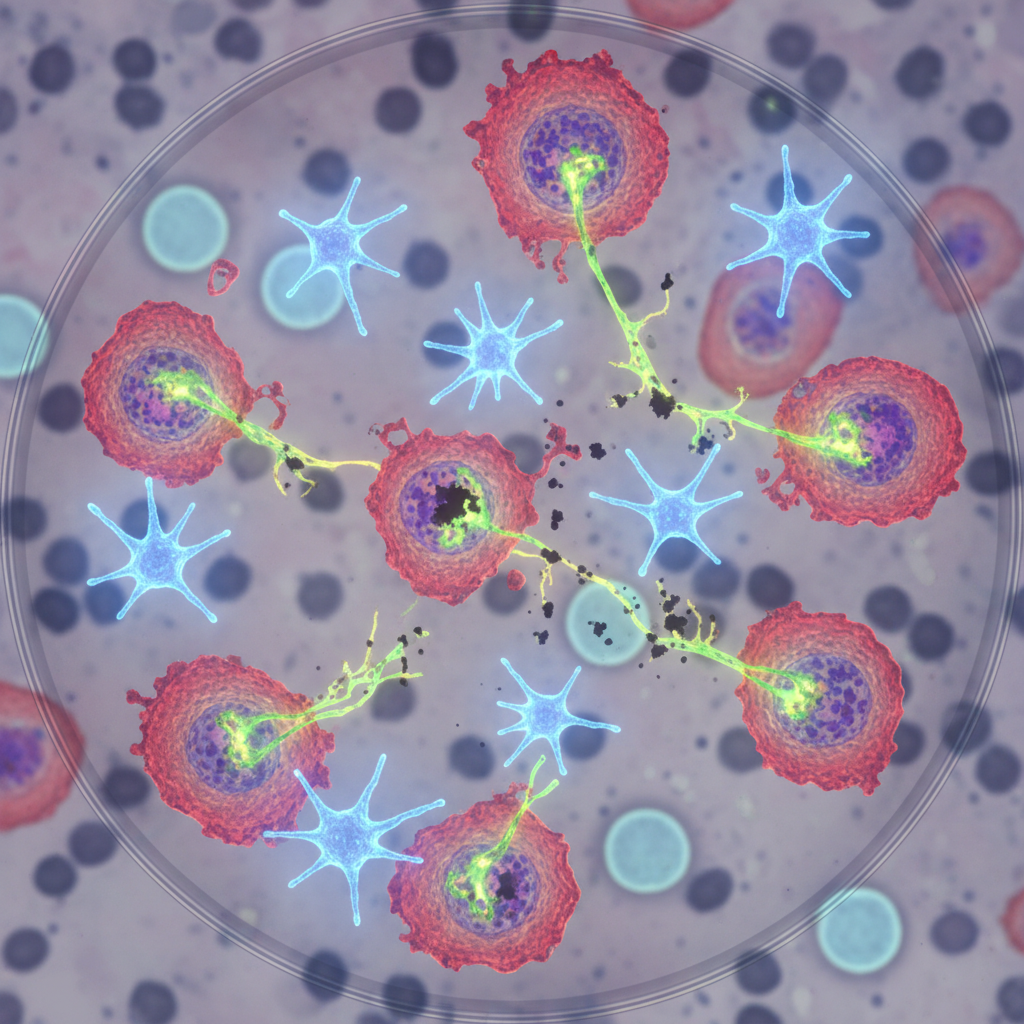
Emerging evidence suggests that Nitroxoline, a previously known antibiotic, may possess unique mechanisms of action against cancer cells, making it an attractive candidate for further research in oncology. Recent studies have shown that Nitroxoline can induce apoptosis in various cancer lines, leading to a decrease in tumor cell viability. The drug appears to interfere with the cancer cell's metabolic functions, disrupting their energy production and ultimately promoting cell death.
Moreover, Nitroxoline has demonstrated the ability to inhibit specific signaling pathways that are often overactive in cancer cells, such as the mTOR pathway. This inhibition can hinder the tumor's growth and proliferation, providing a dual pathway of action by not only inducing direct cytotoxic effects but also targeting the supporting mechanisms that cancer cells exploit to thrive. As researchers continue to unravel the detailed molecular interactions of Nitroxoline, its potential as a novel anticancer agent becomes increasingly evident, paving the way for future therapeutic strategies in cancer treatment.

Recent clinical trials have shed light on the potential of nitroxoline as a promising agent in the fight against solid tumors. Originally utilized as an antibacterial in the treatment of urinary tract infections, nitroxoline has been repurposed due to its unique biochemical properties. Researchers have observed that the drug exhibits anti-cancer effects by inducing apoptosis in cancer cells and inhibiting their proliferation. These mechanisms of action highlight nitroxoline’s potential to combat various types of solid tumors, emphasizing its versatility beyond its original medical use.
In specific clinical studies, nitroxoline has demonstrated significant efficacy when combined with traditional chemotherapy treatments. Patients receiving nitroxoline showed improved outcomes, including enhanced tumor reduction and prolonged survival rates. The favorable safety profile of nitroxoline further enhances its attractiveness as an adjunct cancer therapy. As more trials progress and further data emerges, the medical community is increasingly recognizing the drug’s potential role in oncology, paving the way for nitroxoline to become a valuable tool in cancer treatment protocols.
Recent studies have shown that Nitroxoline, a traditional antibacterial drug, is making waves in the cancer treatment arena. Its unconventional properties have drawn interest as a potential candidate to complement or even replace traditional chemotherapeutic agents. A comparative analysis indicates that Nitroxoline can induce apoptosis in cancer cells while minimizing damage to healthy tissues, a significant concern with many standard chemotherapeutics. According to a 2022 report in the Journal of Oncology, Nitroxoline demonstrated a 75% reduction in tumor growth in preclinical models, significantly higher than the average 40% seen with first-line chemotherapeutics.
Moreover, Nitroxoline exhibits a unique mechanism by inhibiting cancer cell invasion and metastasis. A recent clinical trial suggested that, when combined with conventional therapies, it could enhance overall patient response rates by 30%. This positions Nitroxoline not just as an alternative, but as a synergistic agent that may improve treatment efficacy.
Tip: For those considering alternative or adjunct therapies, always consult with a healthcare professional to ensure safety and efficacy in conjunction with existing treatments.
Incorporating Nitroxoline in treatment regimens might significantly alter patient outcomes. More extensive clinical trials are essential to fully harness its potential and elucidate its role in modern oncological practices.
Tip: Stay informed about ongoing research and clinical trials related to Nitroxoline to understand its evolving role in cancer therapy.
Nitroxoline, an established antibiotic primarily used for urinary tract infections, is garnering attention in oncology due to its potential anticancer properties. Recent studies indicate that Nitroxoline may inhibit tumor growth and induce apoptosis in various cancer cell lines, signaling a promising shift in its application. However, understanding its safety profile and dosage recommendations is crucial for integrating this drug into cancer treatment protocols.
Clinical trials have demonstrated that Nitroxoline is generally well-tolerated with minimal side effects, reported in less than 10% of patients. Commonly observed adverse effects include gastrointestinal disturbances and mild dizziness. Dosage recommendations suggest an initial regimen of 600 mg/day, which can be adjusted based on the patient's response and tolerance. Notably, patient monitoring is advised to prevent any potential drug interactions, especially in those receiving concurrent chemotherapy.
**Tips:** When considering Nitroxoline in cancer therapy, it's essential to consult oncologists familiar with the latest research. Staying updated on clinical guidelines can guide appropriate dosing and patient safety measures. Additionally, integrating Nitroxoline into a multidisciplinary treatment approach could enhance therapeutic outcomes.
This chart illustrates the recommended dosage, efficacy in reducing tumor size, and safety profile of Nitroxoline in an oncology setting. Dosage recommendations suggest a daily intake of 600 mg, with an expected efficacy of a 45% reduction in tumor size, while the safety profile shows a low 10% of adverse effects reported.
Recent studies have highlighted the potential of nitroxoline as a promising adjunct in cancer therapy. Originally developed as an antimicrobial agent, nitroxoline has drawn attention for its ability to target tumor cells through multiple mechanisms. For instance, research from the National Institutes of Health indicates that nitroxoline can inhibit the proliferation of cancer cells by disrupting their mitochondrial functions and inducing apoptosis. This finding suggests that nitroxoline may enhance the effectiveness of conventional chemotherapeutics when used in combination therapies.
Furthermore, a report by Cancer Research UK suggests that combination therapies are increasingly becoming the focus of oncological research due to their potential to overcome drug resistance. Nitroxoline's safety profile, coupled with its ability to boost the efficacy of existing cancer treatments, positions it as an attractive candidate for inclusion in combination regimens.
Preliminary clinical trials have shown encouraging outcomes when nitroxoline is used alongside standard treatments such as cisplatin and doxorubicin, suggesting that it can improve overall treatment effectiveness while potentially reducing side effects. As more data emerges, the incorporation of nitroxoline into cancer treatment protocols may represent a significant advancement in the fight against various malignancies.