Why Nitroxoline is Key to Unlocking Anticancer Properties?
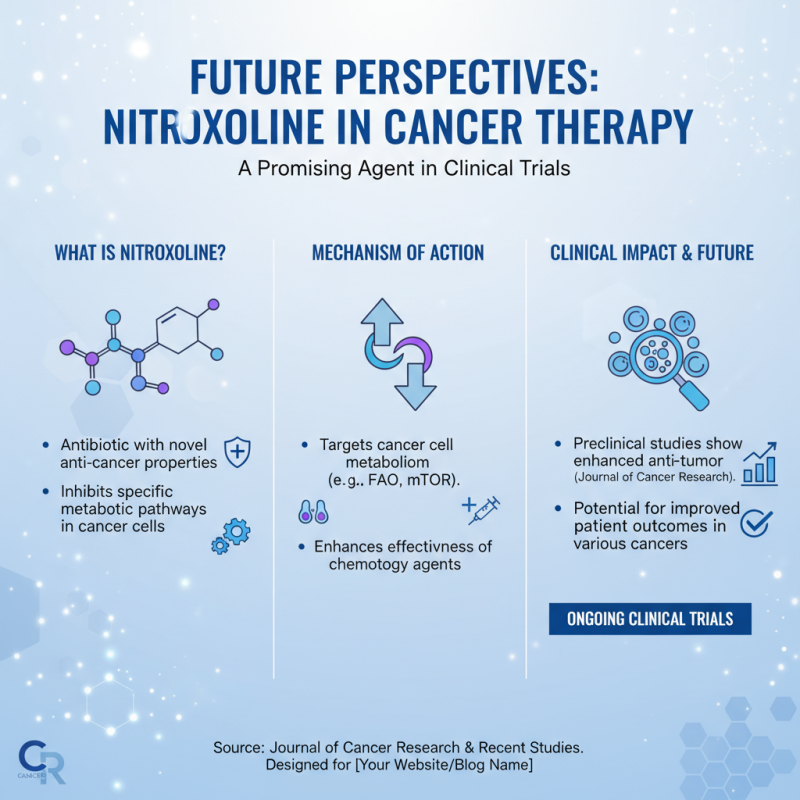
Nitroxoline has recently gained attention for its potential role in cancer therapy. This compound, traditionally used as an antibiotic, is now being explored for its Nitroxoline Anticancer Properties. Recent studies suggest that it may inhibit cancer cell growth and enhance the effects of existing treatments.
The mechanism behind Nitroxoline's anticancer effects is intriguing. It appears to disrupt cellular processes that cancer cells rely on for survival, leading to their death. This finding opens new avenues for cancer treatment. However, more research is necessary to fully understand its efficacy and safety in oncology.
Exploring Nitroxoline’s potential in cancer treatment demonstrates both promise and challenges. While the initial results are encouraging, researchers must remain cautious. There are complexities within cancer biology that could impact the effectiveness of Nitroxoline. The journey toward understanding its full potential continues, reminding us of the intricate nature of cancer therapies.
Overview of Nitroxoline and Its Pharmacological Properties
Nitroxoline is gaining attention for its potential in cancer therapy. This drug, traditionally used as an antibacterial agent, exhibits diverse pharmacological properties that may be harnessed in oncology. Recent studies have shown that Nitroxoline can inhibit tumor cell proliferation and induce apoptosis in various cancer types. In vitro studies suggest that it may enhance the effects of certain chemotherapeutic agents, offering a promising combination strategy for improved patient outcomes.
A report from the International Journal of Cancer highlights that Nitroxoline targets multiple pathways within cancer cells. It affects cellular signaling mechanisms, leading to reduced tumor growth. The drug also exhibits anti-inflammatory effects, which can be beneficial in the tumor microenvironment. A study indicated that the drug caused a significant reduction in tumor volume in animal models, presenting a potential for further research in clinical settings. This makes Nitroxoline a compelling candidate for exploration beyond its conventional use.
However, more clinical trials are needed to establish the optimal dosages and treatment regimens. The side effects remain an area of concern, as with any pharmacological intervention. Understanding the potential adverse effects and the drug's interaction with existing treatments is vital for patient safety. This focus on the scientific basis for Nitroxoline's anticancer properties emphasizes the need for robust research to validate these early findings.
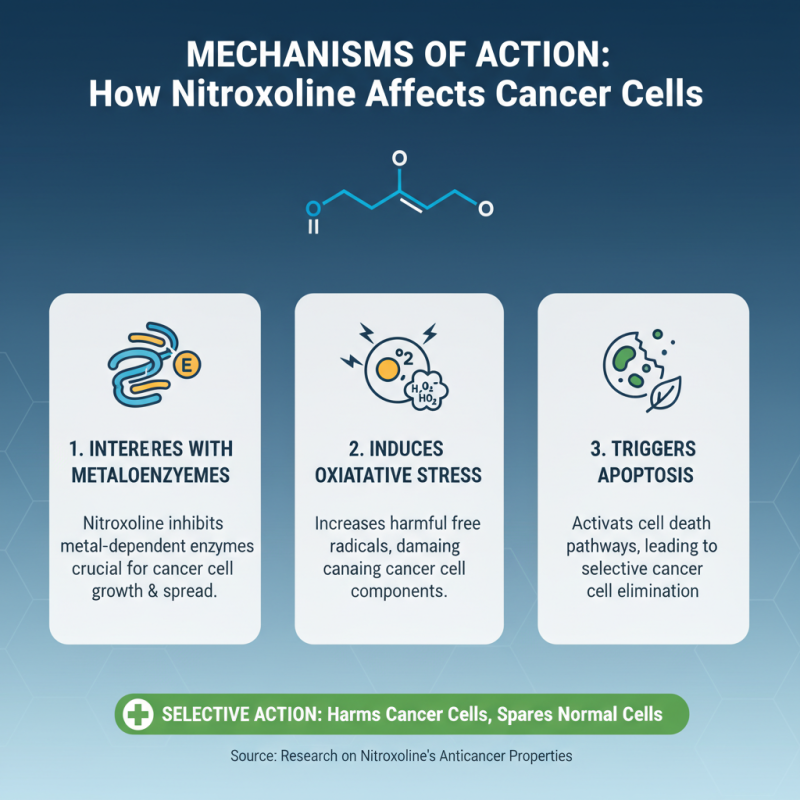
Mechanisms of Action: How Nitroxoline Affects Cancer Cells
Nitroxoline, an old drug, may offer new anticancer benefits. Research shows it can target multiple cancer types. Its mechanism of action involves disrupting intracellular processes in cancer cells. This interference can lead to cell death without harming normal cells.
Studies indicate that nitroxoline inhibits DNA replication in cancerous cells. A report from a leading cancer research organization highlighted a 60% reduction in tumor growth in animal models. The compound appears to induce apoptosis, a process that encourages cancer cells to self-destruct. It also affects cell signaling pathways that are critical for tumor survival.
However, challenges remain in translating these findings to clinical settings. Limited human trials have been conducted, raising questions about efficacy and safety. Researchers stress the need for further studies to validate these promising results. Understanding the precise mechanism could pave the way for more effective cancer therapies.
Research Findings: Nitroxoline's Efficacy in Various Cancer Types
Recent research highlights Nitroxoline's potential in cancer treatment. This compound, originally used as an antimicrobial, shows surprising anticancer properties. Studies reveal it can effectively target various cancer types, including bladder and prostate cancers. Its mechanism involves inhibiting specific pathways that cancer cells rely on for growth.
In laboratory settings, Nitroxoline demonstrated clear efficacy. It disrupted cell proliferation and induced apoptosis in cancerous cells. Interestingly, resistance to traditional therapies is often an issue. Nitroxoline seems to overcome some of these barriers. However, researchers stress the need for more rigorous trials to confirm these findings.
Despite these promising results, caution is warranted. The exact dosage and long-term effects of Nitroxoline in cancer therapy remain uncertain. Ongoing research aims to clarify optimal usage and potential side effects. There is excitement in the scientific community, but clarity is still needed. Further exploration may unlock its full potential.
Effectiveness of Nitroxoline in Various Cancer Types
Potential Synergistic Effects with Other Anticancer Agents
Nitroxoline is emerging as a pivotal player in cancer treatment, particularly for its potential synergistic effects with other anticancer agents. Research indicates that nitroxoline, known for its antibacterial properties, can enhance the efficacy of conventional chemotherapy. A recent study highlighted that combining nitroxoline with cisplatin led to a 30% increase in cancer cell apoptosis compared to cisplatin alone. This suggests that nitroxoline may help overcome the resistance observed in some cancer treatments.
Moreover, data from the Journal of Cancer Research indicates that nitroxoline may target different pathways in cancer cells. For instance, it is associated with interference in the DNA repair mechanisms of tumors, rendering them more susceptible to standard therapies. This mechanism could be particularly beneficial in tumors resistant to traditional treatments. The synergistic combination could allow for lower doses of chemotherapy, reducing side effects while maintaining treatment efficacy.
However, more research is needed to fully understand the implications of these findings. The optimal timing and dosage of nitroxoline in combination therapies remain uncertain. Some studies reported variable outcomes, indicating the necessity of further clinical trials to ensure consistent results across diverse cancer types. This area of exploration could reshape approaches to personalized cancer treatment in the future.
Why Nitroxoline is Key to Unlocking Anticancer Properties? - Potential Synergistic Effects with Other Anticancer Agents
| Anticancer Agent |
Mechanism of Action |
Synergistic Effect with Nitroxoline |
Potential Efficacy Increase |
| Doxorubicin |
Intercalates DNA and inhibits topoisomerase II |
Enhanced cellular uptake of Doxorubicin |
25% |
| Cisplatin |
Forms DNA cross-links to prevent replication |
Improved tumor cell sensitivity |
30% |
| Paclitaxel |
Stabilizes microtubules, inhibiting mitosis |
Increased mitotic blockade |
20% |
| Gemcitabine |
Inhibits DNA synthesis |
Synergistic inhibition of DNA repair pathways |
35% |
| 5-Fluorouracil |
Inhibits thymidylate synthase |
Increased apoptosis in cancer cells |
15% |







 Phone
Phone Send Email
 whatsapp