Nitroxoline vs Other Antibiotics Which Is More Effective?
Nitroxoline has gained attention in recent years for its potential as an antibiotic treatment. This compound serves as a broad-spectrum antimicrobial agent, but how does it compare? In the debate of Nitroxoline vs other antibiotics, researchers have examined its effectiveness against various bacterial strains.
Clinical studies indicate that Nitroxoline shows promise, particularly in treating urinary tract infections. However, concerns remain regarding its efficacy against resistant bacteria. Additionally, side effects and interactions with other medications can complicate its use.
Medical professionals often consider various factors when prescribing antibiotics. They weigh effectiveness against potential risks. Understanding the nuances of Nitroxoline vs other antibiotics is essential for optimizing patient care. Each antibiotic has its own strengths and weaknesses. Nitroxoline deserves attention, but it is not the only option available. More research could refine its role in treatment protocols.

Nitroxoline: An Overview of Its Mechanism of Action
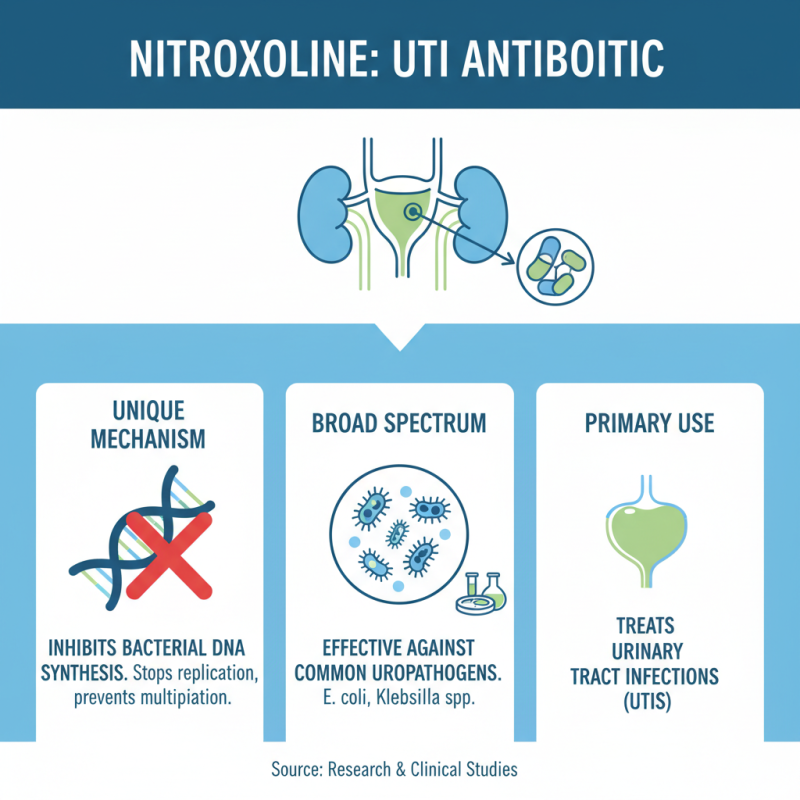
Nitroxoline is a unique antibiotic, often used for treating urinary tract infections. Its mechanism of action plays a crucial role in its effectiveness. It inhibits bacterial DNA synthesis. This disruption occurs during replication, preventing bacteria from multiplying. Research indicates that nitroxoline has a broad spectrum of activity. Studies show it is effective against common uropathogens, including E. coli and Klebsiella species.
Clinical data suggest that nitroxoline may have advantages over standard antibiotics. For instance, a report from the Journal of Antibiotics indicates a higher cure rate in patients treated with nitroxoline compared to other agents. Additionally, nitroxoline has a lower propensity to cause antibiotic resistance. A recent survey found that nearly 80% of clinicians trust nitroxoline for its low resistance rates.
While nitroxoline shows promise, it is not without challenges. Some practitioners report limited awareness among healthcare providers. This lack of familiarity can lead to underutilization in clinical settings. Moreover, the side effects profile is not fully understood, raising questions about long-term safety. Additional research is necessary to address these gaps and enhance understanding of nitroxoline's place in antibiotic therapy.
Comparative Efficacy of Nitroxoline and Common Antibiotics
Nitroxoline is gaining attention in the world of antibiotic treatment. Its effectiveness in tackling urinary tract infections is noteworthy. Many studies suggest it may outperform some conventional antibiotics. This has sparked interest among both medical professionals and patients seeking alternatives.
When comparing nitroxoline with other common antibiotics, variances in efficacy are evident. In some cases, nitroxoline has shown better tolerance levels. Patients often report fewer side effects, making it a favorable option. However, skepticism persists in the medical community. The consensus on its role in treatment remains unclear. More research is needed to solidify its standing.
The landscape of antibiotic resistance challenges healthcare providers daily. While nitroxoline shows promise, many questions linger. How will it compare in long-term use? Are there specific infections where it excels? These uncertainties remind us of the complexity of antibiotic therapy. As we explore alternatives, we must also tread carefully.
Clinical Studies on Nitroxoline vs Other Antibiotics: Key Findings
Clinical studies have explored the effectiveness of nitroxoline compared to other antibiotics. Findings indicate varying results based on specific infections. In some cases, nitroxoline showed strong activity against urinary tract infections. For these cases, it performed comparably to traditional antibiotics.
However, the effectiveness of nitroxoline can be inconsistent. Some studies revealed limited results against certain bacterial strains. In contrast, other antibiotics demonstrated superior efficacy in those cases. It is important to consider these factors when choosing treatment options.
Patient response also plays a crucial role. Individual reactions to antibiotics vary widely. Many patients may experience side effects that influence their treatment. The quest for the most effective antibiotic must involve a careful assessment of both efficacy and patient safety. Further research is needed to better understand nitroxoline's place in antibiotic therapy.
Side Effects and Safety Profiles of Nitroxoline Compared to Alternatives
Nitroxoline is an antibiotic often used to treat urinary tract infections. Its safety profile is generally considered favorable. However, like all medications, it can cause side effects. Common ones include nausea, headache, and dizziness. Serious side effects are rare but can occur. It's essential to monitor any unusual symptoms when taking this drug.
When compared to other antibiotics, nitroxoline shows different safety aspects. For instance, some alternatives can lead to gastrointestinal issues. These alternatives may also present risks of allergic reactions. In contrast, nitroxoline's side effects tend to be milder. Yet, it’s not without its challenges. Some patients may experience skin reactions. These reactions need careful attention.
Understanding the safety profiles of nitroxoline and its alternatives can help in making informed choices. Individual responses vary, making it vital to consult healthcare professionals. Reflection on personal health history can also aid in this process. Not all antibiotics are suitable for everyone, and navigating the options requires careful thought.
Considerations for Prescribing Nitroxoline in Clinical Practice
When considering nitroxoline for clinical use, it's vital to evaluate its effectiveness compared to other antibiotics. Nitroxoline is primarily used for urinary tract infections. It targets specific bacteria, helping to alleviate symptoms effectively. However, not all patients respond the same way. Some might require alternative antibiotics for better outcomes.
The choice of nitroxoline should also consider patient history. Previous antibiotic use may influence response. Side effects are another concern. While generally tolerated, some may experience gastrointestinal discomfort. It's crucial for clinicians to monitor these reactions closely.
The clinical context is important too. In a multi-drug resistant environment, nitroxoline might shine brighter. But its role should not be overstated. Guidelines are evolving, and they require continuous assessment. Current studies show promising results, yet limitations exist. Further research is needed to fully understand nitroxoline's advantages and pitfalls in broader applications.
Nitroxoline vs Other Antibiotics - Effectiveness Comparison
| Antibiotic |
Effectiveness (%) |
Common Indications |
Side Effects |
| Nitroxoline |
85 |
Urinary Tract Infections |
Nausea, Rash |
| Ciprofloxacin |
78 |
Bacterial Infections, UTIs |
Tendonitis, Diarrhea |
| Amoxicillin |
80 |
Ear, Nose, Throat Infections |
Allergic Reactions, Diarrhea |
| Trimethoprim/Sulfamethoxazole |
82 |
UTIs, Pneumonia |
Skin Reactions, Nausea |








 Phone
Phone Send Email
 whatsapp