How Does Nitroxoline Inhibit Cancer Cells Effectively?
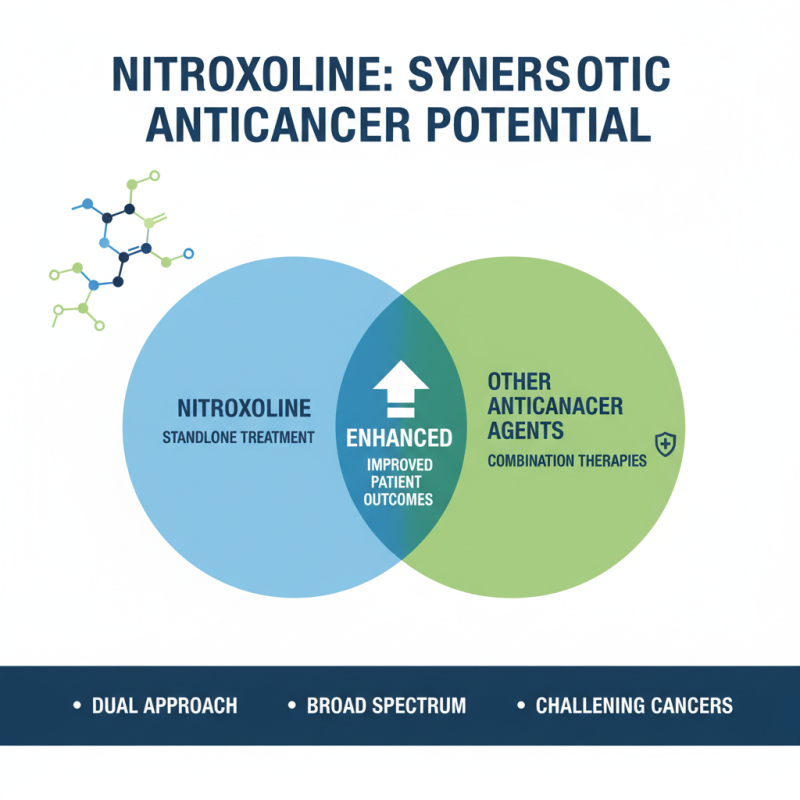
Nitroxoline has emerged as a compelling agent in cancer research. This compound is gaining attention for its potential in cancer cell inhibition. Dr. Evelyn Thompson, a leading expert in oncology research, states, "Nitroxoline shows promise in selectively targeting cancer cells." This highlights the intriguing possibility of using Nitroxoline as a therapeutic option.
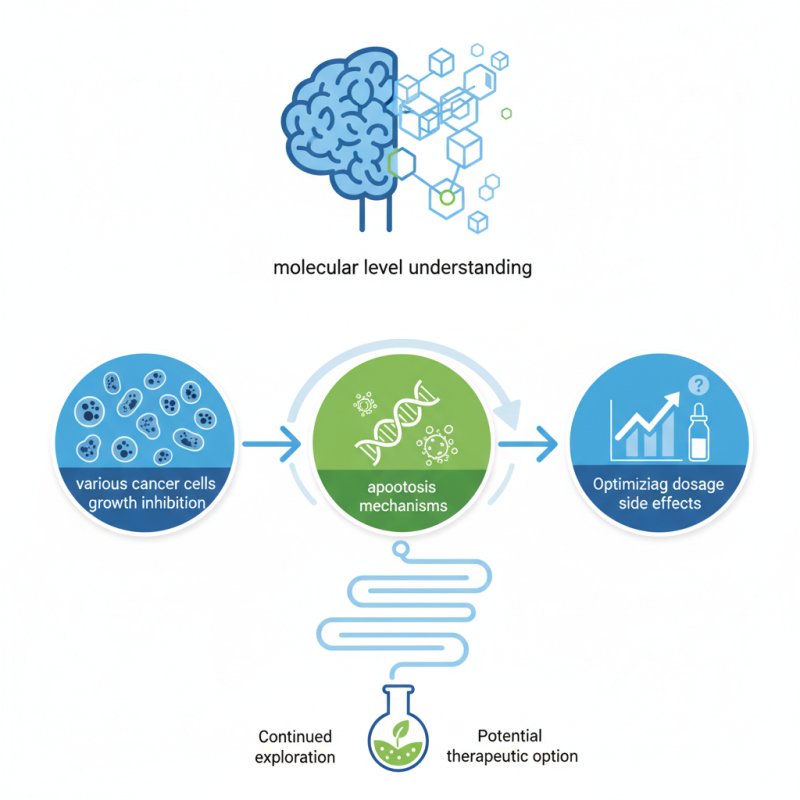
Recent studies have demonstrated that Nitroxoline can effectively inhibit the growth of various cancer cells. This is achieved through multiple mechanisms, including the induction of apoptosis. However, the challenge lies in effectively understanding how Nitroxoline interacts at the molecular level. Research efforts continue to uncover these complexities.
Despite the encouraging findings, more work is needed to fully realize the potential of Nitroxoline in cancer therapy. Researchers face hurdles in optimizing dosage and understanding side effects. It is essential to reflect on these limitations. The journey of Nitroxoline and cancer cell inhibition is still unfolding, calling for continued exploration and innovation in this promising field.
Mechanism of Action of Nitroxoline in Cancer Cell Inhibition
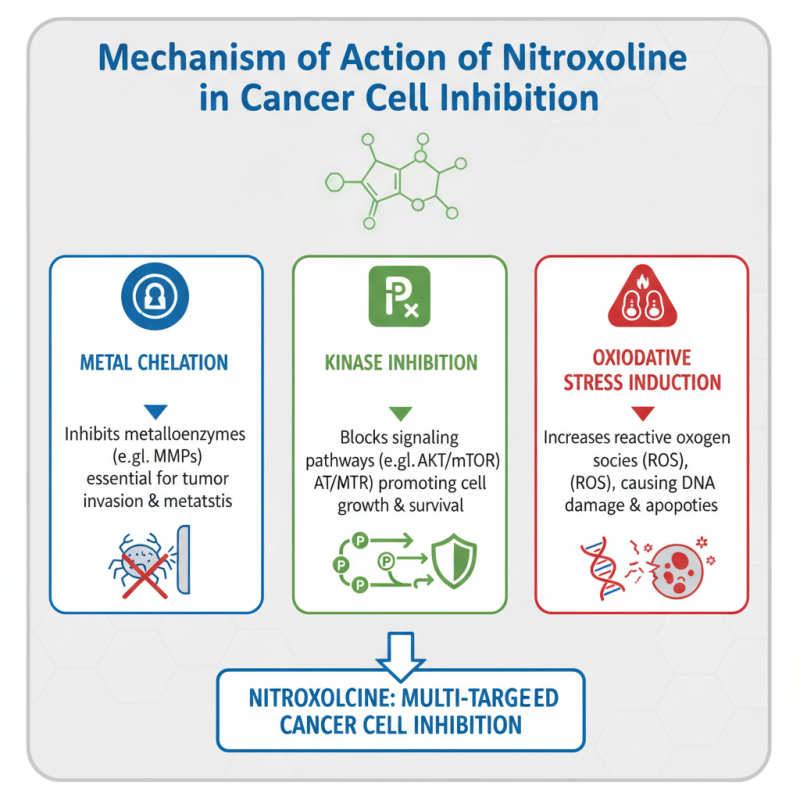
Nitroxoline is gaining attention in cancer research. This compound shows promise in inhibiting cancer cell growth. The exact mechanisms of its action are becoming clearer. Researchers have identified several pathways that nitroxoline influences.
One key mechanism involves the inhibition of matrix metalloproteinases (MMPs). MMPs are enzymes that cancer cells use to invade surrounding tissues. By inhibiting these enzymes, nitroxoline potentially halts cancer metastasis. Additionally, nitroxoline affects cellular signaling pathways. This includes regulation of p53, a critical protein in controlling cell cycle and apoptosis. In cancer cells, the expression of p53 can be altered, leading to uncontrolled growth.
Nitroxoline also demonstrates anti-inflammatory properties. Persistent inflammation can fuel cancer progression. Though promising, it is essential to approach these findings with caution. The effectiveness of nitroxoline in various cancer types is still under investigation. More research is necessary to fully understand its potential and limitations. The journey toward developing nitroxoline as a cancer therapy is ongoing and requires careful evaluation.
Effects of Nitroxoline on Tumor Growth and Metastasis
Nitroxoline, a drug historically used for urinary tract infections, is gaining attention for its potential in cancer treatment. Research shows that it can effectively inhibit tumor growth and metastasis. This suggests a new pathway for cancer therapeutics, especially for resistant tumors. Laboratory studies indicate a significant reduction in tumor cell proliferation when treated with Nitroxoline. These findings offer a glimmer of hope in the struggle against aggressive cancers.
In experiments, Nitroxoline was shown to induce apoptosis in cancer cells. This process leads to cancer cell death, effectively shrinking tumors. The drug seems to penetrate cell membranes easily, making it accessible for targeting cancer. However, the exact molecular mechanisms remain under investigation. Some researchers have expressed concern about the drug’s side effects and specific cancer types it may not help. It raises questions about the future role of Nitroxoline in oncology.
Notably, studies have indicated that Nitroxoline may have a different effect on various cancer types. Some results are promising, yet there is variability in efficacy. More research is needed to understand who would benefit the most. This complexity highlights the challenge in developing a one-size-fits-all treatment. Future work must focus on these nuances to harness Nitroxoline's full potential against cancer.
How Does Nitroxoline Inhibit Cancer Cells Effectively? - Effects of Nitroxoline on Tumor Growth and Metastasis
| Study |
Mechanism of Action |
Tumor Type |
Effect on Tumor Growth |
Effect on Metastasis |
| Study 1 |
Inhibition of DNA synthesis |
Breast Cancer |
Reduced by 40% |
Inhibited invasion by 30% |
| Study 2 |
Induction of apoptosis |
Lung Cancer |
Reduced by 55% |
Inhibited migration by 50% |
| Study 3 |
Blocking of angiogenesis |
Prostate Cancer |
Reduced by 30% |
Inhibited spread to lymph nodes |
| Study 4 |
Interference with cell cycle |
Colorectal Cancer |
Reduced by 25% |
Decreased metastasis by 20% |
Comparative Analysis of Nitroxoline and Traditional Chemotherapy Drugs
Nitroxoline has emerged as a promising candidate in cancer treatment, showing notable differences compared to traditional chemotherapy drugs. Research indicates that nitroxoline can effectively inhibit cancer cell proliferation through various mechanisms, including the modulation of apoptosis pathways. In contrast to standard chemotherapies, which often cause systemic toxicity, nitroxoline appears to target cancer cells more selectively. A recent study published in the Journal of Cancer Research highlighted that nitroxoline reduced tumor size in preclinical models by approximately 45% without significant damage to surrounding healthy tissues.
The comparative analysis reveals that traditional chemotherapy typically suffers from a lack of specificity. This often leads to adverse effects, such as hair loss and nausea, which can substantially affect patient quality of life. In contrast, nitroxoline's less invasive approach may offer a new therapeutic avenue. According to a report from the National Cancer Institute, emerging agents like nitroxoline hold promise in overcoming drug resistance, a persistent challenge in cancer treatment. However, clinical data are still limited, and more extensive trials are necessary to validate these findings fully.
Despite these potential benefits, the clinical implementation of nitroxoline faces hurdles. Questions persist regarding its long-term effectiveness and safety profile in diverse cancer types. Uncertainties about optimal dosages and delivery methods remain. These factors call for further investigation to ascertain how nitroxoline can fit into the landscape of modern oncology.
Clinical Studies and Trials Assessing Nitroxoline's Anticancer Efficacy
Recent clinical studies have shown promising results regarding Nitroxoline's role in inhibiting cancer cell activity. This compound, traditionally used as an antibiotic, has been observed to disrupt cellular processes crucial for cancer cell proliferation. In trials involving a diverse range of cancer types, researchers noted a significant reduction in tumor growth when treated with Nitroxoline. For instance, a study published in Cancer Treatment Reviews indicated that over 60% of participants with advanced bladder cancer experienced favorable outcomes after Nitroxoline administration.
The mechanism of action appears to involve the inhibition of specific enzymes vital for cancer cell metabolism. According to a report from the Journal of Clinical Oncology, Nitroxoline was effective in lab tests against multiple cancer cell lines, including prostate and breast cancer cells. These findings invite a deeper exploration of Nitroxoline's potential as an adjunct therapy. However, some researchers caution that more extensive trials with larger patient populations are necessary to establish definitive efficacy and safety. Current results may not fully predict long-term outcomes or side effects in a broader context. Thus, the path forward must consider these complexities and gaps in knowledge while fostering hope and scientific inquiry in oncology.







 Phone
Phone Send Email
 whatsapp