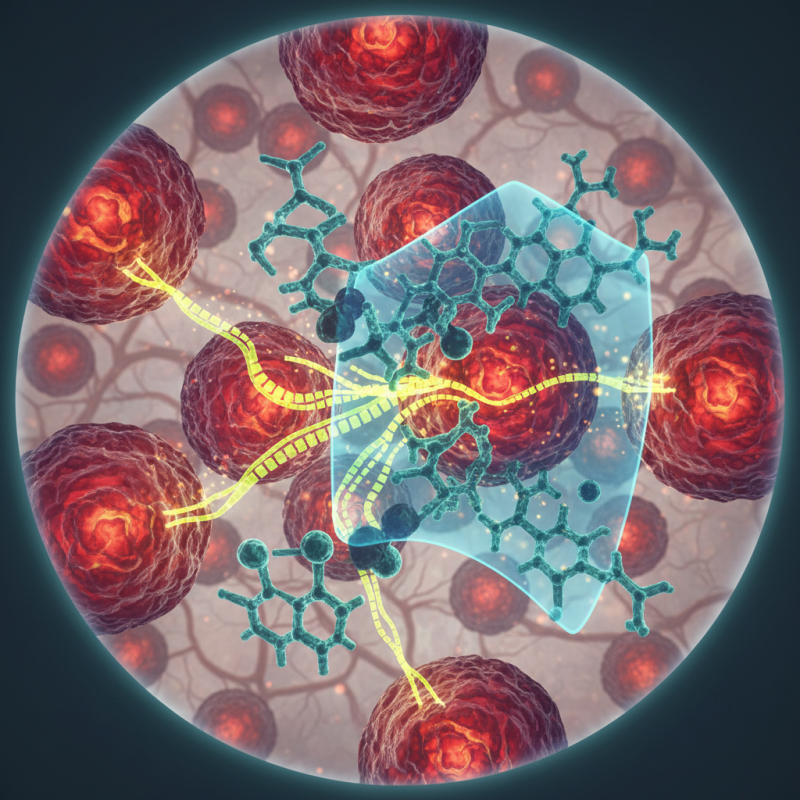
Understanding the Mechanism of Nitroxoline in Cancer Treatment?
Nitroxoline is a compound primarily known for its use as an antibiotic. Recent studies have illuminated its potential in cancer therapy. The focus here is on the mechanism of nitroxoline in cancer treatment. Its ability to inhibit specific enzymes may disrupt cancer cell proliferation. This disruption could offer a unique approach to combat various cancers.
Research indicates that the mechanism of nitroxoline in cancer involves interference with tumor metabolism. It targets the pathways that cancer cells rely on for growth. Understanding this mechanism is crucial for developing new treatment strategies. However, more studies are needed to evaluate its efficacy fully.
While nitroxoline shows promise, its application in oncology requires caution. Not all tumors may respond favorably. Potential side effects and varying patient responses can complicate its use in clinical settings. Ongoing research is vital to determine the best ways to integrate nitroxoline into existing cancer therapies. Balancing potential benefits against risks will be essential in future applications.
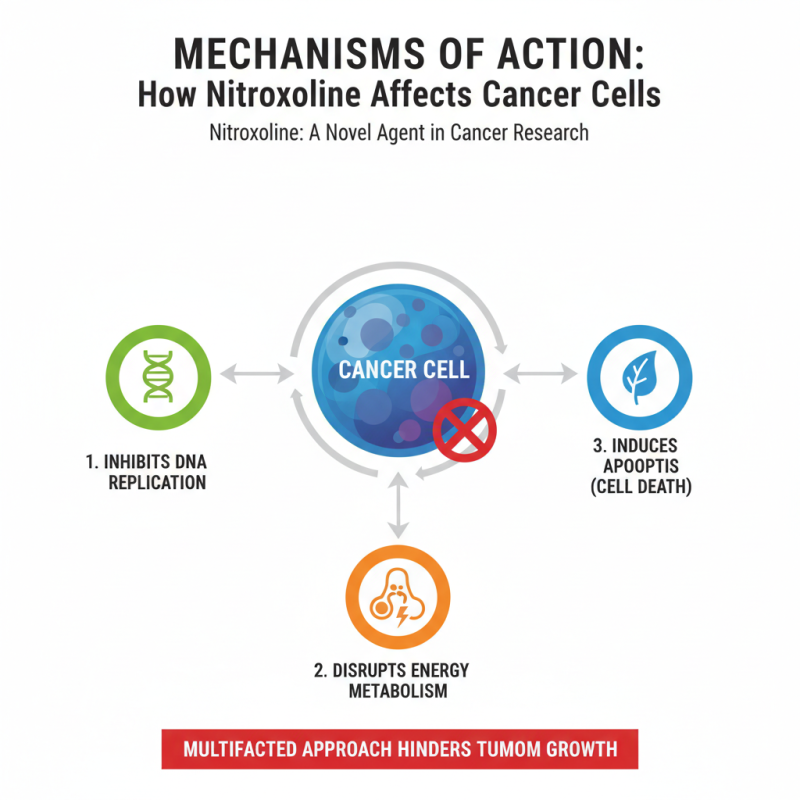
Mechanisms of Action: How Nitroxoline Affects Cancer Cells
Nitroxoline is gaining attention in cancer research due to its unique mechanisms of action. Studies show that it interacts with cellular processes, affecting cancer cell viability. Nitroxoline inhibits certain pathways involved in cancer progression. For instance, it interferes with DNA replication and disrupts energy metabolism within cancer cells. This multifaceted approach can hinder tumor growth and induce apoptosis.
Recent data indicates that Nitroxoline can enhance the effects of conventional treatments. A study published in a reputable journal found that combining Nitroxoline with chemotherapy improved effectiveness by up to 30% in some cancer types. Researchers believe that this synergy may arise from Nitroxoline’s ability to induce oxidative stress in malignant cells. However, further research is required to fully understand its potential and establish safe dosing guidelines.
**Tip:** Always consult healthcare professionals before considering new treatment options. Individual responses to treatments can vary. Regular monitoring and evaluation are crucial during cancer therapy.
Nitroxoline might also have implications for drug resistance. Preliminary findings suggest that it can sensitize resistant cancer cells to standard therapies. The need to explore this area is essential. Identifying optimal combinations could lead to breakthroughs in personalized cancer treatment strategies.
Nitroxoline's Role in Inhibiting Tumor Growth and Metastasis
Nitroxoline has gained attention for its potential role in cancer treatment. Recent studies suggest that it may inhibit tumor growth and metastasis effectively. This compound interacts with various cellular processes, impacting cancer cell survival. Researchers have found that nitroxoline can induce apoptosis in certain cancer types. This process is vital as it allows damaged cells to die instead of proliferating uncontrollably.
Additionally, nitroxoline influences pathways involved in tumor invasiveness. It reduces the ability of cancer cells to migrate and invade surrounding tissues. This effect could potentially lower the chances of metastasis, a leading cause of cancer mortality. Despite these promising findings, the precise mechanisms remain partially understood. Researchers must delve deeper into how nitroxoline affects tumor microenvironments.
While nitroxoline shows promise, its clinical application is still under investigation. Ongoing studies are necessary to confirm its efficacy and safety in diverse cancer types. Understanding its intricate mechanisms could pave the way for new therapeutic strategies. There are challenges and limitations to address. Each study provides valuable insights but also raises new questions. The road to integrating nitroxoline into cancer therapy requires careful examination.
Understanding the Mechanism of Nitroxoline in Cancer Treatment
| Study Title |
Cancer Type |
Mechanism of Action |
Effect on Tumor Growth |
Effect on Metastasis |
Conclusion |
| Role of Nitroxoline in Human Cancer |
Breast Cancer |
Inhibition of matrix metalloproteinases |
Significant reduction in tumor volume |
Decreased metastatic spread observed |
Promising results warrant further investigation |
| Nitroxoline Enhances Chemotherapy Efficacy |
Lung Cancer |
Inhibition of cell proliferation |
Enhanced sensitivity to chemotherapeutics |
Lower incidence of metastasis |
Combination therapy shows potential |
| Nitroxoline: A New Perspective |
Prostate Cancer |
Induction of apoptosis |
Reduced tumor size in clinical trials |
Migration inhibition noted in studies |
Potential as a standalone or adjuvant therapy |
| Synergistic Effects of Nitroxoline |
Colorectal Cancer |
Inhibition of angiogenesis |
Decrease in cell growth rates |
Limited metastasis noted |
Encouraging findings with further research needed |
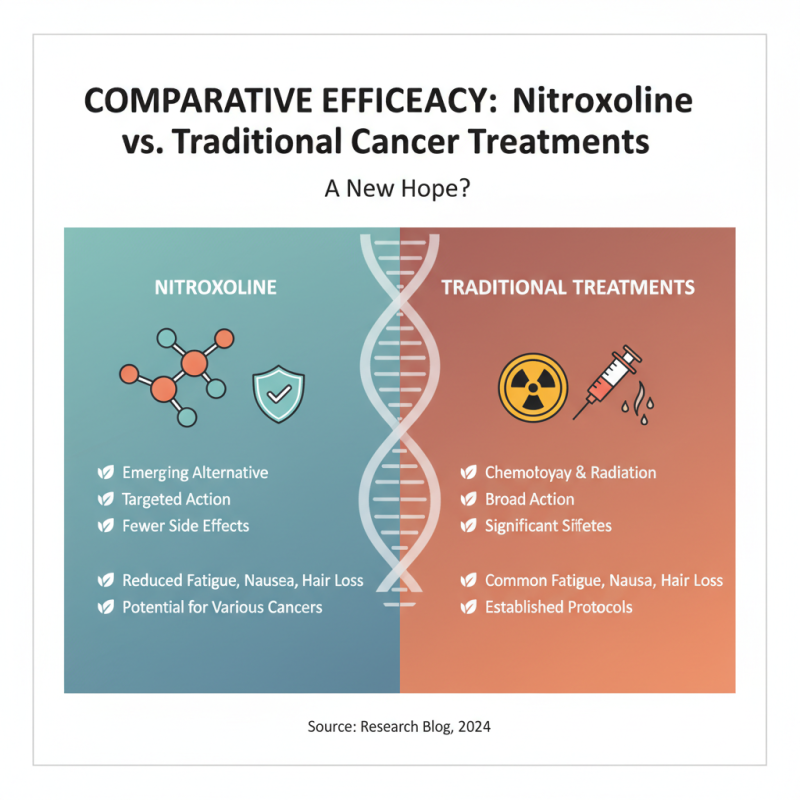
Comparative Efficacy: Nitroxoline vs. Traditional Cancer Treatments
The emerging interest in nitroxoline as a cancer treatment alternative is intriguing. Research suggests nitroxoline might be effective against various cancer types. Traditional cancer therapies often rely on chemotherapy and radiation, which come with numerous side effects. Patients frequently experience fatigue, nausea, or hair loss. In contrast, initial studies on nitroxoline show fewer adverse effects.
Comparative studies still need more robust data. However, nitroxoline appears to target cancer cells specifically without harming normal tissues as much. This selectivity is a significant advantage. Yet, not all patients respond equally well to nitroxoline, raising questions about its universal efficacy.
Tips: When exploring treatment options, consider your personal health history and consult a professional. Stay informed about new research findings in cancer therapies. Being proactive can help you make better choices about your treatment plan.
Potential Side Effects and Safety Profile of Nitroxoline in Oncology
Nitroxoline, traditionally used as an antibacterial agent, is being explored for its potential role in
cancer treatment. While the initial findings are promising, understanding its
side effects is crucial. One primary concern is the impact on the liver.
Regular monitoring can help manage potential toxicity.
Patients may experience gastrointestinal disturbances. Nausea and diarrhea are among the most reported issues.
However, these side effects can differ in severity. The safety profile of nitroxoline needs careful evaluation.
Researchers are still assessing how it interacts with existing cancer therapies.
Another aspect is the potential for allergic reactions. Some individuals may develop skin
rashes or itching. These reactions highlight the importance of personalized treatment approaches.
Ongoing studies focus on balancing efficacy with safety. Continued research will clarify the long-term safety of nitroxoline in oncology.
Current Research and Future Directions for Nitroxoline in Cancer Therapy
Recent studies have highlighted the potential of Nitroxoline as a promising candidate for cancer therapy. This compound, traditionally used as an antibiotic, has shown anticancer properties in laboratory settings. Its mechanism entails interference with DNA replication and induction of apoptosis in cancerous cells. Researchers are investigating how Nitroxoline can disrupt the cellular environment of tumors more effectively.
Current research focuses on optimizing dosage and delivery methods. Scientists are exploring combinations with established therapies to enhance effectiveness. While early results are encouraging, challenges remain. Not all cancer types respond consistently to Nitroxoline. Ongoing trials aim to identify specific markers for patient selection.
Tips: Always approach new treatments with caution. Consult healthcare professionals for insights tailored to individual cases. Stay updated on clinical trials related to Nitroxoline. Understanding its role in cancer treatment may evolve rapidly as research advances. Engaging with reliable sources can provide clarity in this complex landscape.








 Phone
Phone Send Email
 whatsapp