Nitroxoline Tips for Safe Use in Pediatric Patients
Nitroxoline has emerged as a potential treatment for urinary tract infections in pediatric patients. Its effectiveness in managing these infections is notable, yet careful consideration is necessary. The use of Nitroxoline in pediatric patients requires a nuanced understanding of dosage and possible side effects. Parents and healthcare providers must remain vigilant during this treatment process.
In pediatric populations, the metabolism of medications can differ significantly from adults. This makes it essential to ensure that Nitroxoline is used safely and effectively. Observations show that monitoring is crucial when prescribing this medication. There is a need for more research to outline proper guidelines for its use in younger patients.
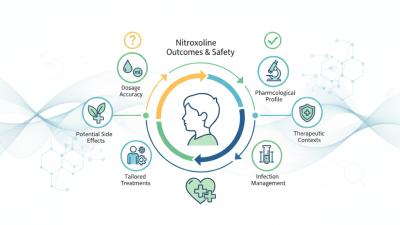
The insights gained from clinical experiences emphasize the importance of tailored approaches. While Nitroxoline may offer relief, practitioners must weigh the benefits against potential risks. Ongoing discussions in the medical community remind us that the journey in treating infections in children is complex. Balancing efficacy with safety is key to the successful implementation of Nitroxoline in pediatric patients.

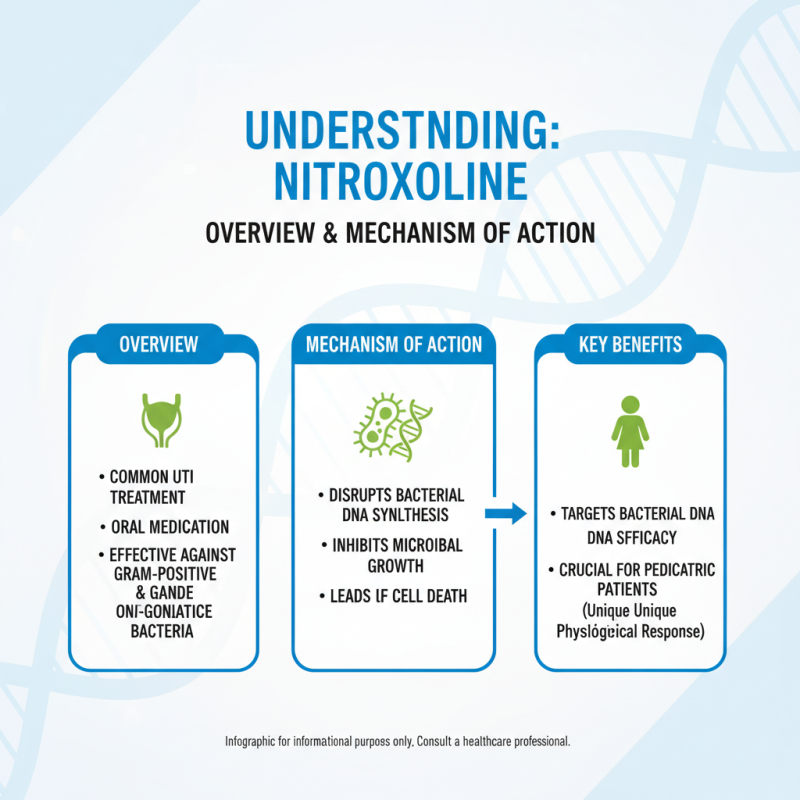
Understanding Nitroxoline: Overview and Mechanism of Action
Nitroxoline, commonly used to treat urinary tract infections, works by inhibiting bacterial growth. This medication disrupts microbial DNA synthesis, leading to cell death. It's crucial for pediatric patients due to their unique physiological responses. The mechanism primarily targets the DNA of bacteria, making it effective against both Gram-positive and Gram-negative pathogens.
When using Nitroxoline in children, safety is paramount. Ensure proper dosage based on weight and age. Monitor for any side effects, such as gastrointestinal issues. It's essential to communicate with healthcare providers about any pre-existing conditions. This medication may not be suitable for all young patients, highlighting the need for careful evaluation.
Using Nitroxoline requires balancing effectiveness and safety. Parents should observe their child during treatment. Watch for any unusual symptoms. Consulting with a pediatric specialist can provide additional guidance. Adopting a cautious approach helps ensure that Nitroxoline benefits outweigh potential risks for young patients.
Indications for Nitroxoline in Pediatric Patients
Nitroxoline is a unique antibiotic that shows promise for pediatric patients suffering from urinary tract infections (UTIs). Research indicates that UTIs are common in children, particularly girls aged 2 to 6 years. A report from the National Institute of Diabetes and Digestive and Kidney Diseases states that about 8% of girls and 2% of boys will experience a UTI by age 7. Nitroxoline may offer a viable treatment option due to its effectiveness against gram-negative bacteria.
In pediatric patients, nitroxoline is typically indicated for UTIs caused by specific pathogens. It has shown efficacy against Escherichia coli, a key culprit behind these infections. Clinical data suggest a successful treatment response in approximately 73% of cases with proper dosage and monitoring. Safety and tolerance must be a priority, as children may experience side effects like gastrointestinal discomfort.
When using nitroxoline in children, certain tips can enhance safety. Always adjust the dosage based on the child's weight and age. Monitoring for side effects is crucial, especially gastrointestinal issues. Encourage fluid intake to help flush out bacteria and potentially reduce discomfort. It's essential to have regular follow-ups for ongoing assessment of treatment efficacy and to address any concerns promptly.
Nitroxoline Tips for Safe Use in Pediatric Patients
| Indication |
Dosage |
Administration Route |
Age Group |
Contraindications |
| Urinary Tract Infections |
10 mg/kg/day (max 600 mg) |
Oral |
1-12 years |
Severe renal impairment |
| Prophylaxis of UTIs |
5 mg/kg/day (max 300 mg) |
Oral |
2-12 years |
Hypersensitivity |
| Combined Therapy in UTI |
15 mg/kg/day (max 900 mg) |
Oral |
1-17 years |
Pregnancy |
| Post-surgical UTI Prevention |
10 mg/kg/day |
Oral |
5-15 years |
Children < 1 year |
Proper Dosage Guidelines for Nitroxoline Administration
Nitroxoline, an effective medication for urinary tract infections, requires cautious use in pediatric patients. Proper dosage guidelines are crucial. Typically, the dosage for children varies with their weight and age. For example, children weighing less than 30 kg might receive lower doses, tailored to individual needs. For those over 30 kg, adjustments must still be considered based on clinical evaluations.
Monitoring is essential during treatment. Pediatric patients may respond differently than adults, potentially leading to side effects or inadequate treatment. Common issues can arise, such as gastrointestinal discomfort or allergic reactions. Parents should watch for these signs closely.
Educating caregivers about nitroxoline is vital. They should administer the medication exactly as prescribed. Misunderstandings about dosage can lead to serious complications. It’s essential to consult a healthcare professional for any concerns. Ensuring accurate communication can significantly impact treatment outcomes. Remember, every child's response to medication is unique. An ongoing discussion with doctors is necessary to optimize treatment plans.
Potential Side Effects and Risks in Pediatric Use
Nitroxoline is increasingly used for treating urinary tract infections in pediatric patients. However, parents and healthcare professionals should be aware of potential side effects. Common reactions include gastrointestinal discomfort, headaches, and dizziness. These symptoms may cause distress in younger children, potentially leading to reduced compliance with treatment.
It’s essential to monitor any adverse reactions closely. Some children may experience allergic reactions, though they are rare. Signs can include skin rashes or swelling. Parents should report these symptoms to a healthcare provider immediately. This ensures appropriate measures are taken to manage the child's condition.
Proper dosing is crucial when administering nitroxoline. Overdosing can lead to serious complications, including kidney issues or severe allergic reactions. It is vital for caregivers to adhere strictly to prescribed dosages. Regular follow-ups with healthcare professionals can help track the child's response to the medication and manage any side effects effectively. Being vigilant and proactive can make a significant difference in pediatric care.
Monitoring and Follow-Up for Safe Nitroxoline Treatment
Monitoring and follow-up are crucial when using nitroxoline in pediatric patients. Regular check-ups help evaluate the treatment's effectiveness. Clinicians should track any adverse effects, such as gastrointestinal issues or skin reactions. Noticing these symptoms early can prevent more significant health concerns. Parents should be encouraged to observe their children's responses closely.
It is beneficial to maintain a detailed record of all medications and supplements a child is taking. This information can help avoid potential drug interactions. Clear communication between healthcare providers and families is vital. Adjusting dosages based on growth or health changes can enhance safety. Sometimes, what works well for one child may not suit another.
Consistent follow-up appointments allow physicians to make necessary adjustments. They can also provide guidance on lifestyle changes that may support treatment. Establishing a collaborative atmosphere fosters trust. Parents can feel more empowered to answer questions about their child's health. Each visit provides an opportunity to discuss any concerns. Balancing treatment with careful monitoring creates a safer overall experience for young patients.






 Phone
Phone Send Email
 whatsapp