How to Properly Store Nitroxoline for Maximum Effectiveness?
Proper storage of medications is crucial for maintaining their effectiveness. Nitroxoline, an antibiotic used primarily for urinary tract infections, requires specific handling to ensure its potency. According to recent industry reports, approximately 30% of medications lose efficacy due to improper storage conditions. Thus, understanding Nitroxoline storage instructions is essential for both healthcare providers and patients.
Temperature, humidity, and light exposure are vital factors for preserving Nitroxoline's effectiveness. Ideally, it should be stored in a cool, dry place away from direct sunlight. It is a common oversight to keep medications in bathrooms, where humidity can compromise their quality. Additionally, it is necessary to frequently check expiration dates to prevent the use of ineffective drugs.
Inadequate storage practices can lead to medication degradation. For Nitroxoline, even slight temperature fluctuations may diminish its antibacterial properties. Awareness around proper storage methods can bridge this gap. Utilizing reliable sources and adhering to Nitroxoline storage instructions can enhance treatment outcomes. The importance of maintaining a controlled environment cannot be overstated for ensuring maximum efficacy of this critical medication.
Understanding Nitroxoline: Properties and Common Uses
Nitroxoline is a versatile compound with notable properties that make it beneficial in various medical applications. This yellow crystalline substance is primarily recognized for its antibacterial and antifungal properties. It is often used to treat urinary tract infections and bacterial infections. Healthcare professionals recommend it due to its effectiveness in combating pathogens. However, its proper storage is crucial for maintaining its efficacy.
Storing Nitroxoline requires attention to specific conditions. It should be kept in a cool, dry place, away from light and moisture. Consider using airtight containers to protect it from environmental factors. Improper storage can lead to degradation, reducing its effectiveness. Additionally, ensure that it is stored out of reach of children. Reflecting on these details highlights the importance of proper handling. An overlooked factor can compromise not just the drug's potency but also patient outcomes. Therefore, understanding these aspects fosters a more reliable and responsible use of Nitroxoline in healthcare settings.
Ideal Storage Conditions for Nitroxoline: Temperature and Humidity Effects
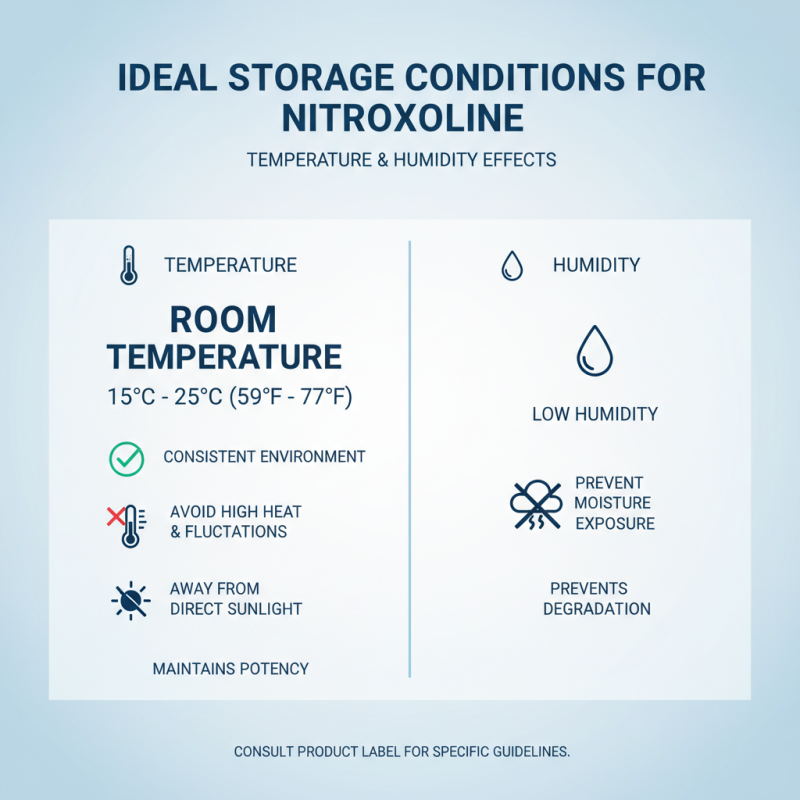
Nitroxoline is sensitive to environmental factors. Proper storage conditions are crucial. Temperature plays a significant role in maintaining its effectiveness. Ideally, nitroxoline should be stored at room temperature, away from direct sunlight. High temperatures can lead to degradation, reducing its potency. Aim for a consistent environment. Fluctuating temperatures can cause unwanted chemical reactions.
Humidity is another important factor. Store nitroxoline in a dry place. Excess moisture can lead to the formation of lumps and reduce its effectiveness. Good options include airtight containers that keep humidity at bay. Humidity levels should be below 60%. A desiccant packet can help, but be cautious. Too much dryness can also impact the integrity of the medication.
Be aware of potential storage mistakes. For instance, placing the medication in a bathroom may expose it to humidity. Alternatively, extreme cold can also compromise its efficacy. Regularly check storage conditions. The integrity of nitroxoline depends on how well you store it. Pay attention to these details to ensure it remains effective.
Packaging and Container Considerations for Nitroxoline Storage
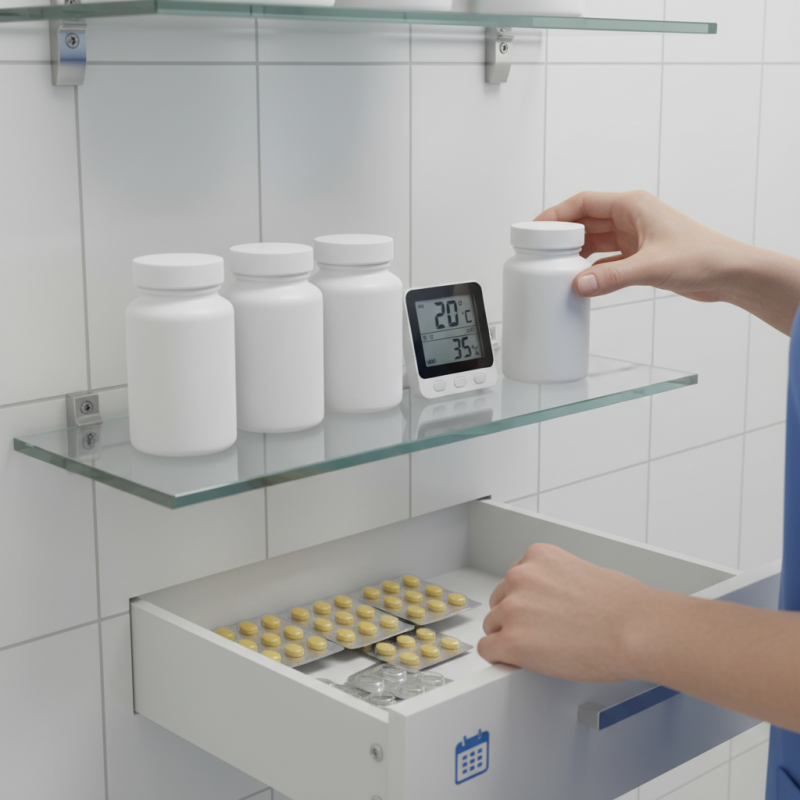
When it comes to storing Nitroxoline, choosing the right packaging is crucial. A dark, airtight container helps protect the medication from light and moisture. It is best to use a glass or a high-quality plastic container. Not all plastics are created equal; some can leach chemicals over time. Therefore, always select food-grade material.
Temperature plays a significant role in storage. Keep Nitroxoline in a cool, dry place. Fluctuating temperatures can degrade the compound. Labels should be clear, indicating the contents and storage instructions. This way, users can avoid mix-ups.
Avoid storing it in bathrooms or near windows. Humidity and sunlight can compromise its effectiveness. It's good practice to regularly check for any changes in odor or color. If any are noted, reconsider usage. Packaging matters not just for safety; it ensures the medication remains effective over time. Consider these factors seriously for optimal preservation.
Shelf Life and Expiration: Best Practices for Nitroxoline
When storing nitroxoline, its shelf life and expiration are critical factors. Proper storage ensures the medication maintains its effectiveness. According to industry data, nitroxoline has a shelf life of approximately three years when kept in optimal conditions. Heat, humidity, and light can deteriorate its quality. Ideally, store it in a cool, dry place away from direct sunlight.
It’s essential to regularly check the expiration date on the packaging. If nitroxoline has expired, its efficacy may significantly decrease. Studies indicate that using expired pharmaceuticals can lead to inadequate treatment outcomes. Patients should be cautious and dispose of any expired medication properly.
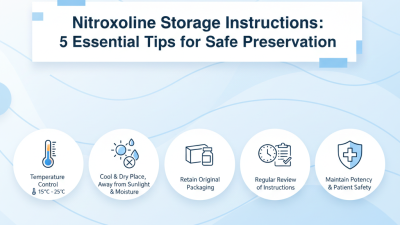
Tips for storage include using airtight containers to minimize moisture exposure. Keep the medication in its original packaging to avoid confusion. Always check the environment; avoid bathrooms or areas with high humidity. Regularly inspect your medications to ensure they are in good condition, noting any changes in color or texture. These simple steps can help maximize the effectiveness of nitroxoline and ensure safe usage.
Signs of Degradation: How to Identify Ineffective Nitroxoline
Nitroxoline is a nitrofuran derivative often used for treating urinary tract infections. However, its effectiveness can degrade over time, particularly if not stored correctly. Identifying signs of degradation is crucial. Research indicates that improper storage can lead to a decrease in potency by over 30% within six months.
Visual inspection is a simple yet effective method to detect changes. If the tablets or capsules have a discoloration or show signs of moisture, they may be ineffective. Notably, a study published in the Journal of Pharmacy and Pharmacology highlighted that moisture can cause chemical reactions in medications, leading to harmful byproducts.
Proper storage conditions are paramount. Keep Nitroxoline in a cool, dry place, away from direct sunlight. The recommended temperature is below 25 degrees Celsius. Temperatures exceeding this can accelerate degradation. Utilizing airtight containers is also a good practice to minimize exposure to moisture. Neglecting these guidelines can lead to substantial loss in product strength. This is an important aspect to consider and reflect upon when managing medication effectively.





 Phone
Phone Send Email
 whatsapp