Leave Your Message

What Is Biological Membrane Infection?

Biological Membrane Infection is not a single, universally standardized medical diagnosis. The phrase may describe infections affecting membrane-lined surfaces or protective tissues, such as mucous membranes or the meninges. The exact meaning depends on the body site and clinical context. This distinction matters.

These membranes help separate tissues from their surroundings and support local defenses. When infection develops, symptoms can vary widely, from redness and discharge to fever, pain, or neurological changes. A symptom alone cannot identify the cause. Clinicians assess the affected site, medical history, examination findings, and, when appropriate, laboratory tests. Bacteria, viruses, and fungi may cause different infections, so treatment should reflect professional diagnosis rather than guesswork.

The wider burden of infection shows why prevention and accurate identification matter. The World Health Organization’s 2022 Global Report on Infection Prevention and Control estimates that 7% of patients in acute-care hospitals in high-income countries acquire at least one healthcare-associated infection. The estimate rises to 15% in low- and middle-income countries. These figures describe healthcare-associated infections overall, not Biological Membrane Infection specifically. That limitation is important.

This article introduces possible membrane-related infection sites, common symptoms, diagnostic approaches, and prevention principles. It also distinguishes established medical terms from broader descriptions. The terminology can be confusing. Readers should seek qualified medical advice for persistent, severe, or rapidly worsening symptoms, especially when fever or changes in consciousness occur.
What Is Biological Membrane Infection?

Definition and Scope of Biological Membrane Infection

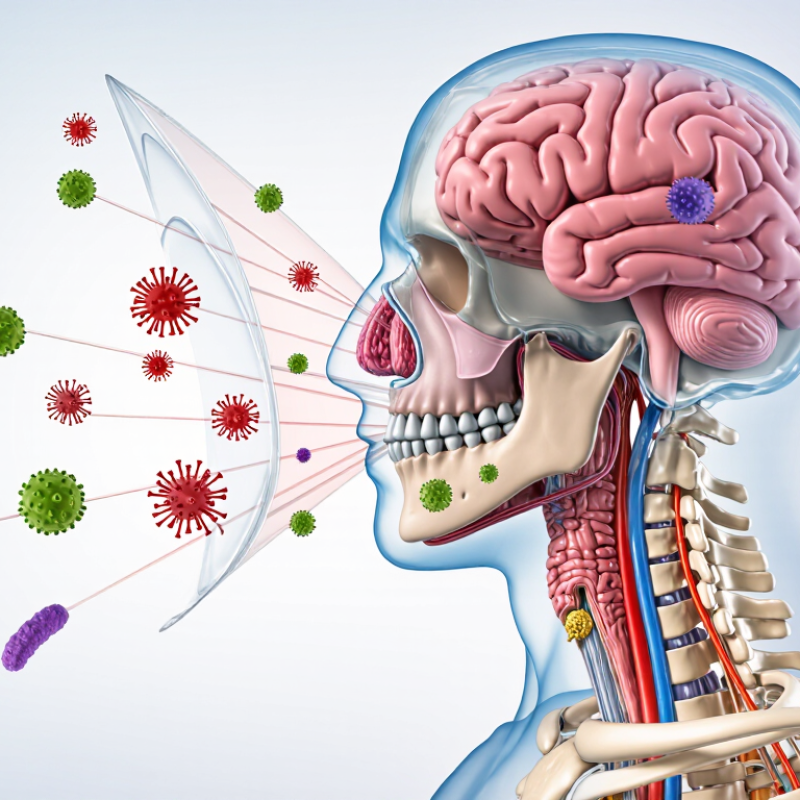
Biological membrane infection is a useful descriptive term, not a single standardized diagnosis. It refers to microbes attaching to, entering, or damaging biological membranes, such as the outer surface of a skin cell or the lining of an airway. The membrane matters because it separates tissues from their surroundings and helps regulate what enters a cell. A pathogen may bind to it, cross it, or trigger inflammation nearby. These are different processes. A positive surface sample alone does not prove active infection; symptoms, tissue findings, and laboratory results help establish the picture.

The scope should therefore distinguish membrane involvement from simple contamination, non-infectious membrane injury, and infections that affect deeper tissue without clear membrane interaction. Biofilms may complicate some cases, but they are communities of microbes embedded in a protective matrix, not membranes themselves. The World Health Organization’s 2022 Global Antimicrobial Resistance and Use Surveillance System report found that about one in six laboratory-confirmed bacterial infections worldwide in 2020 involved bacteria resistant to antibiotic treatment. This figure does not measure membrane infection specifically. It does show why identifying the organism and its location matters. Definitions remain imperfect, and clinical context is essential.

Structure and Functions of Biological Membranes

What Is Biological Membrane Infection?
Structure and Functions of Biological Membranes

A biological membrane is a thin, flexible boundary around a cell and many internal compartments. Its basic structure is a phospholipid bilayer: water-attracting heads face the surrounding fluid, while water-repelling tails point inward. The National Center for Biotechnology Information’s The Cell: A Molecular Approach describes membranes as only a few nanometers thick. At roughly 5 nanometers, a membrane is far thinner than a human hair. Yet it is not a simple wrapper.

Proteins sit within or alongside the bilayer. Some form channels that let selected ions cross; others act as receptors, enzymes, or anchors. Cholesterol helps regulate membrane fluidity in animal cells, while carbohydrate chains on the outer surface help cells recognize one another. Alberts and colleagues describe this membrane organization in Molecular Biology of the Cell. Its details vary between cell types, so one diagram cannot capture every membrane’s behavior.

That matters during infection. Many viruses and bacteria attach to specific surface molecules or disrupt membrane barriers, but membranes also help cells detect and respond to threats. They maintain ion gradients and control what enters or leaves. Small changes can have large effects. The fluid-mosaic model remains useful, though it can make membranes seem more uniform than they are. In real cells, proteins cluster, lipids shift, and conditions change. The picture is still incomplete.

How Pathogens Interact With and Disrupt Membranes

What Is Biological Membrane Infection?

How Pathogens Interact With and Disrupt Membranes

Biological membrane infection describes how pathogens attach to, cross, or damage cell membranes. A membrane is a thin lipid boundary, more like a selective gate than a rigid wall. Some bacteria release toxins that form pores, allowing ions and water to move abnormally. Others use enzymes or surface proteins to weaken membranes and enter cells. Enveloped viruses take a different route: their outer membrane can fuse with a host cell membrane. The details vary by organism and tissue.

Small changes matter. Host cells may swell, lose signaling control, or die, while immune cells respond to exposed microbial components. Membrane disruption can also affect drug entry, though the effects depend on the pathogen and tissue. The World Health Organization’s 2022 Global Report on Infection Prevention and Control estimates that 7 in 100 acute-care patients in high-income countries acquire at least one healthcare-associated infection; in low- and middle-income countries, the estimate is 15 in 100. These figures describe infection burden, not membrane damage itself.

A 2019 Lancet analysis estimated that bacterial antimicrobial resistance was directly responsible for 1.27 million deaths worldwide, underscoring why pathogen mechanisms matter. Yet membrane-focused explanations can oversimplify: pathogens often combine adhesion, toxin release, and immune evasion. Researchers therefore use microscopy, membrane-permeability tests, and molecular assays together. One damaged cell alone is not proof.

Cellular Effects and Signs of Membrane Infection

“Biological membrane infection” is not a standard diagnosis. It describes how a pathogen can enter a cell or disrupt its protective membrane. Under a microscope, affected cells may show leaks, swelling, or damaged edges. Their carefully balanced movement of salts and water can fail. Some viruses also alter host-cell membranes as they replicate. The details vary by organism and tissue. Not a diagnosis.

Outside the microscope, infection may cause redness, warmth, swelling, pain, or fluid from a wound. Fever can occur too. These signs are not specific to membrane damage; inflammation and noninfectious injuries can look similar. A clinician may need an examination and laboratory testing to identify the cause. The World Health Organization’s 2023 antimicrobial-resistance fact sheet cites a global analysis estimating that bacterial resistance directly caused 1.27 million deaths in 2019. That figure describes the wider burden of resistant bacterial infections, not membrane infections specifically. It is useful context, but it cannot diagnose an individual. Even visible cell damage can be difficult to interpret without knowing the tissue and pathogen. I would be cautious about treating one symptom as proof.

What Is Biological Membrane Infection? — Cellular Effects and Signs

A membrane infection can disrupt the cell’s protective barrier, disturbing ion balance and allowing cellular contents to leak. The chart shows approximate reference thickness ranges for membrane structures, not a measurement of infection or damage. Membrane thickness varies with composition; signs of damage may include altered permeability, swelling, or cell death.

Methods of Diagnosis, Treatment, and Prevention

“Biological membrane infection” is not a standard medical diagnosis. It may refer to infection involving a body membrane. Meningitis, which affects the membranes surrounding the brain and spinal cord, is one serious example. Symptoms can include fever, severe headache, stiff neck, and confusion.

Seek urgent medical care if these appear.

Clinicians may use examination, blood tests, and a lumbar puncture to test cerebrospinal fluid. Sometimes imaging is needed first. The cause matters.

Treatment depends on the infection. Suspected bacterial meningitis is a medical emergency; clinicians may start intravenous antibiotics before test results are complete. Some patients also receive corticosteroids. Viral meningitis often needs supportive care, though specific antiviral medicines may be used for certain viruses.

The World Health Organization estimated 2.5 million meningitis cases and 250,000 related deaths worldwide in 2019. These figures show why early assessment matters, even when symptoms seem familiar.

Tips: Keep vaccinations current, wash hands regularly, and avoid sharing drinks when illness is spreading. Close contacts of some bacterial meningitis cases may need preventive antibiotics, as advised by a clinician. Ask about this promptly.

One uncertainty remains: “membrane infection” can describe different conditions, so treatment cannot be safely chosen from that phrase alone.