China Top Nitroxoline Storage Instructions How to Store It
Nitroxoline Storage Instructions begin with one dependable source: the directions supplied with the exact product. Storage conditions can differ by manufacturer, packaging, and formulation. Do not assume that every nitroxoline product needs refrigeration or tolerates the same humidity. The carton and patient leaflet matter.
A pharmacist can check those directions against the package in your hands. No verifiable named expert quotation was provided for this topic, so this introduction does not invent one. That restraint matters. A confident but unsupported quote can make routine advice sound more certain than it is.
In everyday storage, keep the medicine in its original, closed packaging unless its instructions say otherwise. Choose a dry place away from direct sunlight, steam, and heat. A bathroom shelf may seem convenient, but warm showers can leave moisture on the mirror and nearby surfaces. A parked car can become very hot. Keep medicines out of children’s reach, too. Simple steps help.
Check the printed expiry date and look for changes in the packaging or medicine. If the leaflet is missing, the label is unclear, or storage conditions were not followed, ask a pharmacist before using it. Do not guess. This guide explains how to read storage directions carefully and apply them at home, while keeping the product’s own instructions as the final reference.
Identify Nitroxoline Form and Follow the Product Label’s Storage Limits
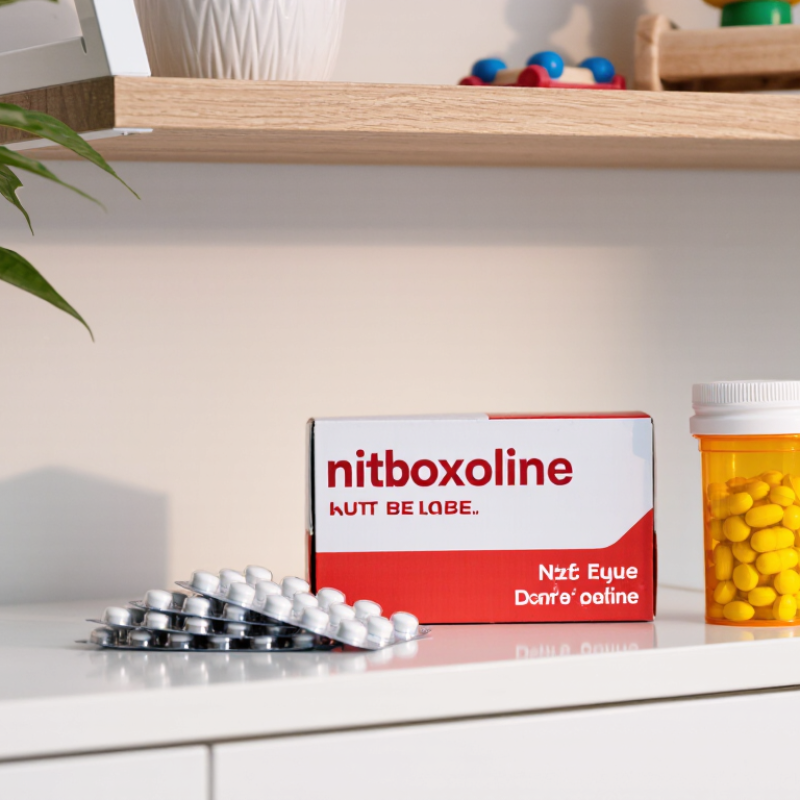
Nitroxoline storage starts with identifying the exact product form. Check the carton and leaflet for whether it is a tablet, capsule, or another preparation. Storage needs can differ by formulation and manufacturer, so do not rely on advice for a different product. Follow the printed limits for temperature, light, and moisture. Keep the medicine in its original, closed packaging so the instructions and expiry date remain easy to check.
A cool, dry cupboard may be suitable only when the label allows it. Avoid places with changing heat or humidity, such as a sunny windowsill, a car, or a steamy bathroom. Do not refrigerate or transfer the medicine to another container unless the product instructions say to. Small details matter. I might overlook a storage line when reading quickly, so checking it again is worthwhile.
Tips: Keep the leaflet with the medicine, and note the expiry date. If the label is missing, damaged, or unclear, ask a pharmacist before choosing a storage location. Keep the product away from children and pets, and do not use it if its appearance has changed or the packaging seems compromised.
Use USP Controlled Room Temperature: 20–25°C; Excursions 15–30°C
Nitroxoline should be stored according to the instructions on its package. USP controlled room temperature is generally 20–25°C, with excursions between 15–30°C allowed under defined conditions. These limits are not a reason to leave medicine in a hot car or beside a heater. Keep the container in a stable indoor spot, away from direct sunlight and moisture. A bedroom cupboard is often more suitable than a steamy bathroom.
Keep it dry. Leave the medicine in its original, tightly closed container so its label stays with it. A small room thermometer can help if your home gets unusually warm or cold. Do not refrigerate or freeze it unless the product instructions specifically say to.
If the medicine has been exposed to temperatures outside the stated range, ask a pharmacist before using it; appearance alone cannot confirm that it is still suitable. I would not assume every brief temperature change has the same effect. The exact product instructions matter, and that detail is easy to overlook. Keep the container out of children’s reach, too.
Keep Nitroxoline in Its Original, Tightly Closed Packaging
Keep nitroxoline in its original packaging, with the cap or closure firmly tightened after each use. The container helps protect the medicine from moisture, dust, and handling. It also keeps the product name, strength, batch details, and expiry date available for checking. Keep the label intact. Small details matter.
Choose a cool, dry place away from direct sunlight, heaters, sinks, and steam. A bathroom cabinet may seem convenient, but frequent humidity can affect stored medicines. Follow the storage temperature stated on the product label or patient leaflet, since instructions can vary by formulation. Do not refrigerate or freeze it unless those instructions specifically say to. Keep the container out of children’s reach, and avoid transferring tablets to an unlabelled jar or pill box for long-term storage. That can make identification harder. If the packaging is cracked, the closure no longer seals, or the medicine looks different than expected, ask a pharmacist before using it. I might be tempted to rely on a familiar storage habit, but the package instructions are the safer guide.
Protect the Product from Moisture, Light, and Contamination
Nitroxoline should remain in its original, tightly closed container unless the dispensing label says otherwise. Store it in a cool, dry place away from direct sunlight, sinks, and steamy bathrooms. Moisture can enter through a loose cap or damp hands. Use clean, dry hands, and close the package promptly. Keep it away from food, cleaning products, and areas where dust or splashes could reach it. Keep it sealed.
Light and humidity matter during medicine storage. ICH’s Stability Testing of New Drug Substances and Products (Q1A(R2)) describes 40°C and 75% relative humidity as an accelerated testing condition for many drug products. This is a laboratory stress condition, not a recommended home-storage target. Follow the product’s own label for its specific temperature and handling instructions; do not refrigerate it unless directed. A cupboard away from heat and windows is often more suitable than a bathroom shelf. If the container becomes wet, damaged, or visibly contaminated, ask a pharmacist before using the product. A dry-looking room is not always dry enough—small details, like a damp cap liner, are easy to miss.
Check Expiry Dates and Seek Advice After Temperature Excursions
Store nitroxoline according to the instructions supplied with your medicine. Keep it in its original, closed packaging, away from heat, direct sunlight, and moisture. A bathroom cabinet may seem convenient, but steam from a shower can create a damp environment. Small details matter. Check the expiry date before use, and do not take medicine past that date.
If the medicine has been left in a hot car, near a heater, or somewhere unusually cold, do not guess whether it is still suitable. Note how long it was exposed and, if possible, the approximate temperature. Contact a pharmacist or prescribing clinician and share those details before using it. Do not rely on appearance alone; tablets can look normal even after improper storage. If the packaging is damaged or the tablets look changed, seek advice as well.
Tips: Keep the pack and leaflet together, and store it where children cannot reach it. Set a calendar reminder to check the expiry date. When storage conditions are uncertain, pause and ask a pharmacist rather than making a quick guess.








 Phone
 Send Email
 whatsapp
