Leave Your Message

2026 Top What Is the Mechanism of Nitroxoline in Cancer?

Cancer remains a major global health challenge. IARC’s Global Cancer Observatory, using GLOBOCAN 2022 estimates, reported about 20 million new cancer cases and 9.7 million cancer deaths worldwide. These figures strengthen interest in existing compounds that might offer new research directions. Nitroxoline is an established antimicrobial drug, but its possible anticancer effects remain investigational.

The Mechanism Of Nitroxoline In Cancer is not fully established. Preclinical studies have explored its metal-chelating activity and effects on cancer-related enzymes, including cathepsin B. Other research has examined possible changes in angiogenesis and cellular processes that support tumor growth. These findings are intriguing, but laboratory activity does not prove that a treatment benefits patients. That distinction matters.

Early evidence is not clinical proof.

This introduction frames the topic around proposed biological mechanisms, the strength of available evidence, and important research gaps. A careful review should distinguish results from cell or animal models from outcomes in human trials. It should also note that effects may vary by cancer type, dose, and experimental conditions. Readers should not interpret mechanistic findings as treatment advice. The evidence is still developing, and some explanations may change as better studies emerge. That uncertainty is worth keeping visible.
2026 Top What Is the Mechanism of Nitroxoline in Cancer?

Nitroxoline’s Properties and Repurposing in Cancer Research

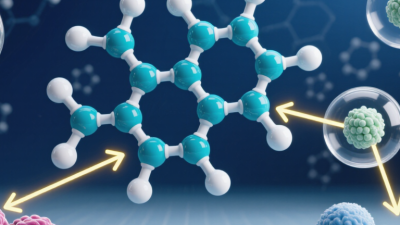
Nitroxoline is an established antimicrobial compound now being examined for possible effects in cancer research. Its 8-hydroxyquinoline structure can bind metal ions, including zinc and iron, under laboratory conditions. This property may affect metal-dependent enzymes involved in tumor-cell signaling and tissue remodeling. Researchers have also reported changes in blood-vessel formation and cell growth in preclinical models. These findings are hypotheses, not proof of benefit in patients.

Tips: When reading a study, check whether its evidence comes from cells, animals, or people. Note the tested dose and exposure time; a dish experiment cannot establish a safe human dose.

Repurposing can be appealing, but cancer use remains unproven. Nitroxoline’s effects may differ by tumor type, metal availability, and surrounding tissue. Small details matter. Clinical trials must clarify dosing, interactions, safety, and meaningful outcomes. For now, it should not replace established cancer care or be self-administered for cancer. Mechanistic explanations can sound more certain than the evidence allows.


How Nitroxoline Reaches Tumor Cells

How Nitroxoline Reaches Tumor Cells

Nitroxoline is a small molecule that may reach tissues after absorption into the bloodstream. PubChem lists its molecular mass as 190.16 g/mol, but small size alone does not prove effective tumor entry. The drug is best known for concentrating in urine; how much reaches different human tumors remains unclear. There is no established tumor-targeting carrier or receptor pathway.

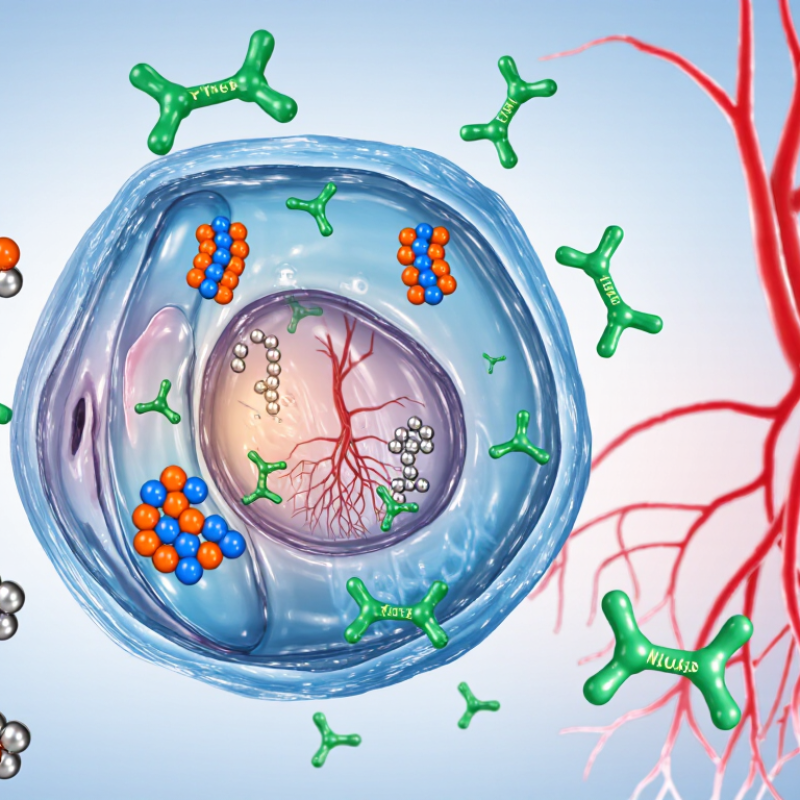
Once inside cells, nitroxoline may affect metal-dependent enzymes and other processes linked to cancer growth. Preclinical research reported in Cancer Research has examined its anti-angiogenic effects, including interference with methionine aminopeptidase 2. These findings come mainly from laboratory and animal studies, not proof of benefit in patients. That gap matters. Tumor blood flow, cell membranes, and local chemistry can all change drug exposure, so a result in one model may not translate neatly to another.

Tips: Treat “reaches tumor cells” as a research question, not a settled fact. PubChem’s chemical data describes the molecule, while preclinical studies test biological effects; neither establishes human tumor concentrations or an effective cancer dose.

Molecular Targets and Metal-Dependent Enzyme Inhibition

2026 Top What Is the Mechanism of Nitroxoline in Cancer?

Nitroxoline is being studied as a potential anticancer agent because it can bind metal ions, especially zinc. This may disrupt metalloenzymes, proteins that need metals to function. One reported target is methionine aminopeptidase 2 (MetAP2), an enzyme linked to protein processing and blood-vessel formation. In preclinical studies, inhibiting this pathway has reduced angiogenesis and tumor growth.

These findings come mainly from laboratory and animal models, not established cancer treatment in people.

The scale of cancer research matters: IARC’s Global Cancer Observatory estimated 20 million new cancer cases worldwide in 2022. That figure describes the need for research, not nitroxoline’s effectiveness. Its metal-binding activity may affect more than one enzyme, making the exact contribution of each target difficult to separate.

Not proof of benefit. Human studies are needed to establish whether effective concentrations can be reached safely and which tumors, if any, might respond.

Tips:

When reviewing a proposed mechanism, check whether evidence comes from purified enzymes, cells, animals, or clinical trials. These are not interchangeable. Look for studies measuring target engagement, zinc-dependent enzyme activity, and toxicity together. A neat mechanism can still be incomplete. IARC source: Global Cancer Observatory, 2022 estimates.

Effects on Cancer Cell Growth, Survival, and Spread

Nitroxoline is an established antimicrobial drug now being studied for possible effects on cancer cells. In laboratory models, it can interfere with metal-dependent enzymes that help cells grow and manage stress. Researchers have also examined its effects on methionine aminopeptidase 2, an enzyme linked to blood-vessel formation. If this pathway is disrupted, a tumor may receive less support for growth. The details vary by cancer type. The evidence is early.

For cancer-cell survival, experiments suggest nitroxoline may disturb processes that help some cells withstand stress, potentially making them more prone to die. Its effects on spread are also under study: changes in enzyme activity and tumor blood supply could influence how cells move into nearby tissue. But a dish is not a patient. Lab concentrations may not be safely achievable in people, and findings from one tumor model may not apply to another. That limitation matters. Carefully designed clinical studies are needed to determine whether these effects translate into meaningful benefit, and which patients, if any, might respond.

What Is the Mechanism of Nitroxoline in Cancer?

Preclinical research reports effects on cancer-cell growth and survival. Evidence that nitroxoline limits cancer spread or metastasis is not established. This chart shows evidence status, not effect size or clinical benefit.

Evidence status: “Reported preclinically” means findings have been described in laboratory or animal studies; it does not establish effectiveness in people.

Current Evidence, Limitations, and Open Questions

Nitroxoline is an older antimicrobial drug now being studied for possible effects on cancer cells. Laboratory research suggests it may interfere with metal-dependent enzymes, including carbonic anhydrases that help some tumors manage acidic conditions. Other experiments point to effects on blood-vessel formation, cell movement, or programmed cell death. These findings come mainly from cultured cells and animal models, not from established cancer treatments. That distinction matters.

The proposed mechanisms are not yet settled. Different tumors may respond differently, and a change in a laboratory marker does not prove that a treatment can shrink tumors in people. Dose is another open question: concentrations active in experiments may not be safely achievable in human tissues. Researchers also need to clarify which molecular targets matter most, whether the drug reaches tumors at useful levels, and how it interacts with standard therapies. Human evidence remains limited, so claims of clinical benefit would be premature. The picture is incomplete. Future studies need carefully defined tumor types, reliable measures of drug exposure, and patient outcomes—not just changes in cells or enzyme activity.